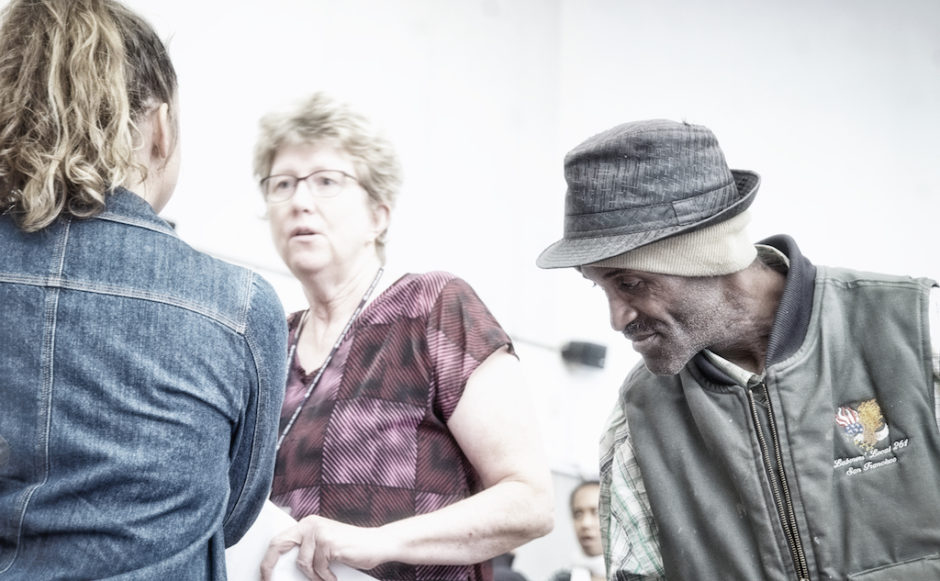
There's a James Baldwin essay Lindsey co-taught at San Quentin. She walked in, every week, into a room full of men doing time, and she opened The Fire Next Time like Baldwin had just set it down on the table and stepped out for a minute. No mannerisms. No that-special-tone people use when they want to be seen Doing The Work. None of the carefully-modulated empathy face. She just showed up and assumed (and this is the radical part, the part nobody does) that the men in front of her could meet her at full strength. And they did. Most of them did. Because people can tell. People always can.
I know this because I was there. In the room, week after week. An hour just to get inside. An hour after, in the parking lot, neither of us leaving. Standing next to my car with my keys in my hand, unaware forty-five minutes have passed, conversations that just would not let me go. That. Every week. Through a whole spring and into summer. Fifteen weeks of pretending the parking lot was incidental. It wasn't. I figured out what was happening somewhere around week four. It took me considerably longer to do anything about it.
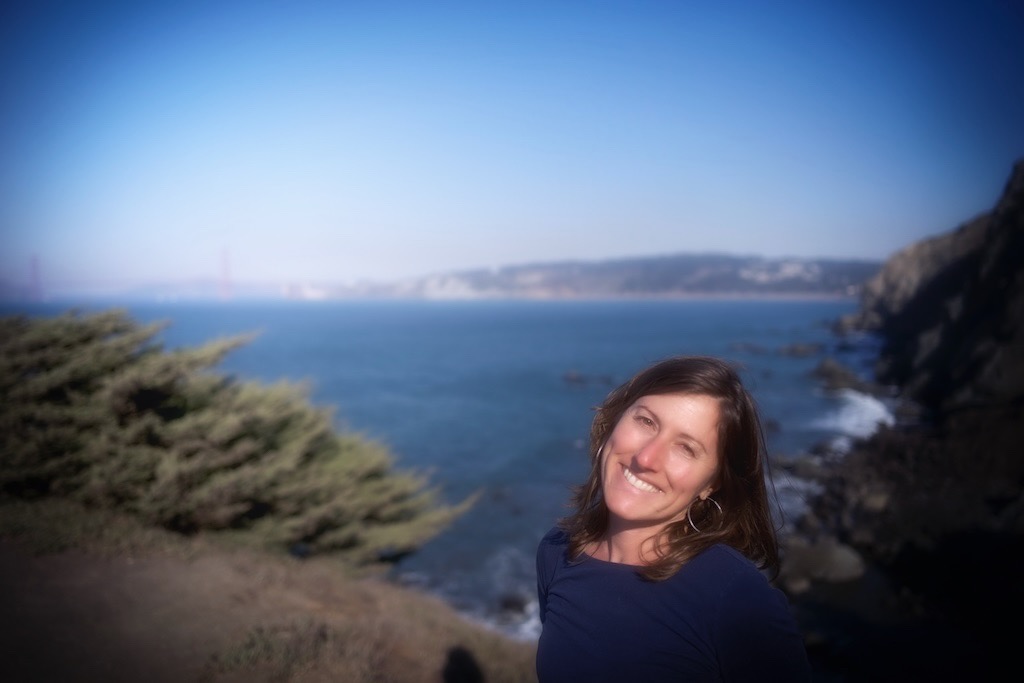
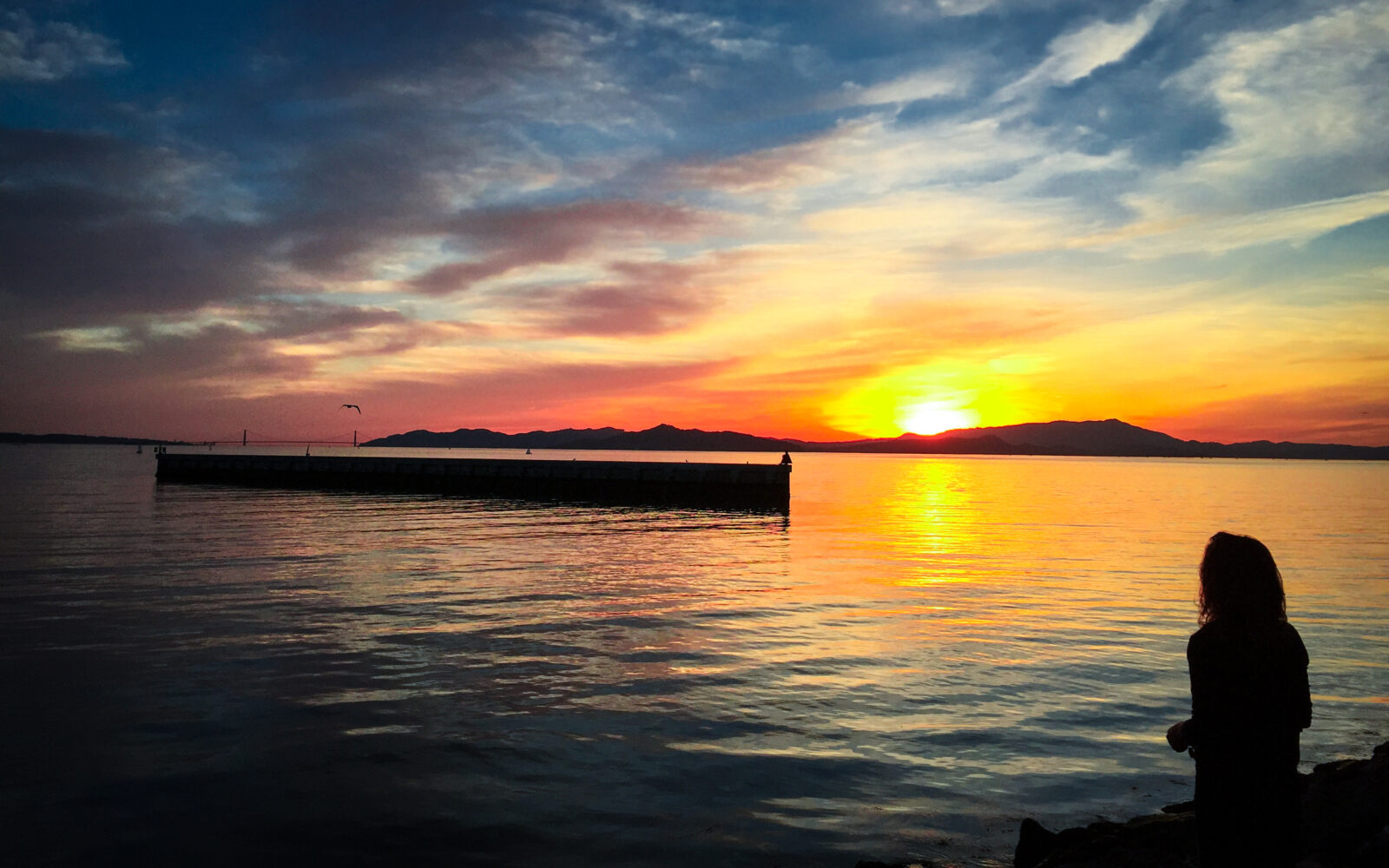
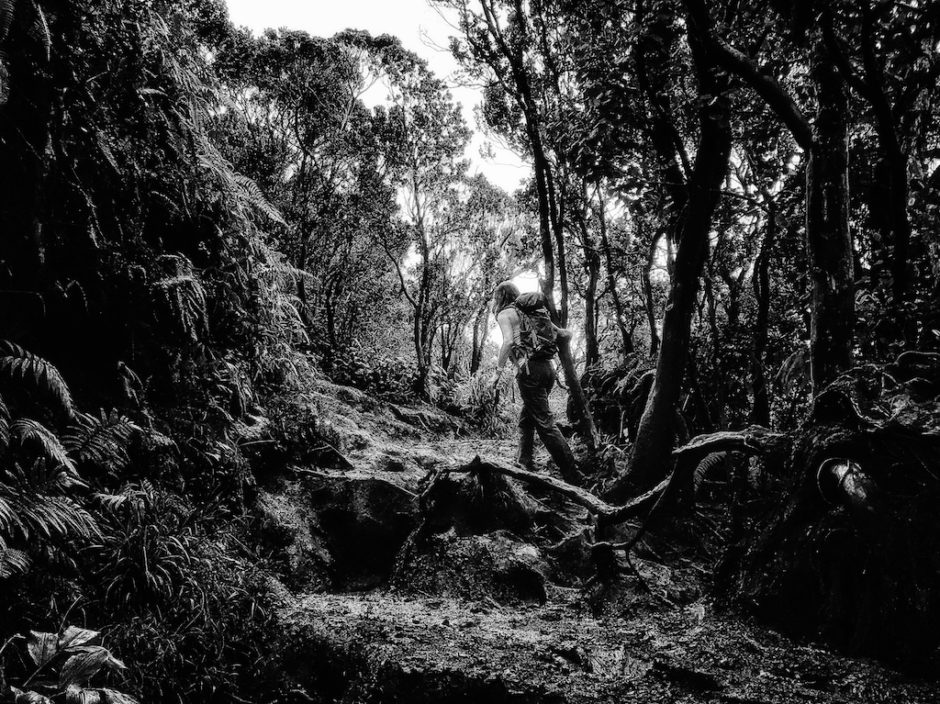
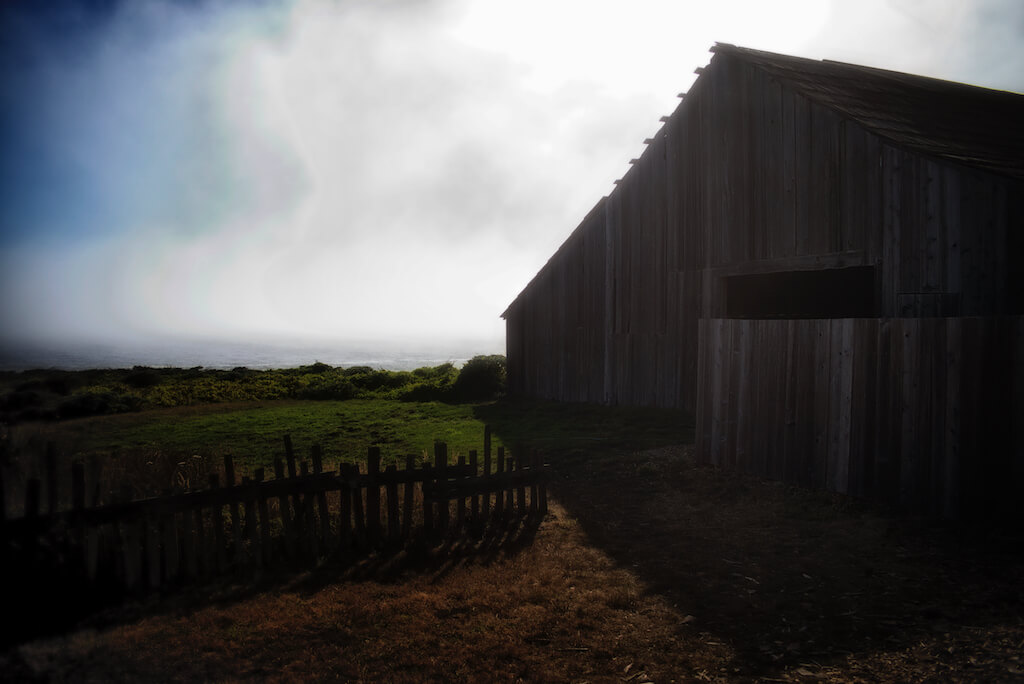
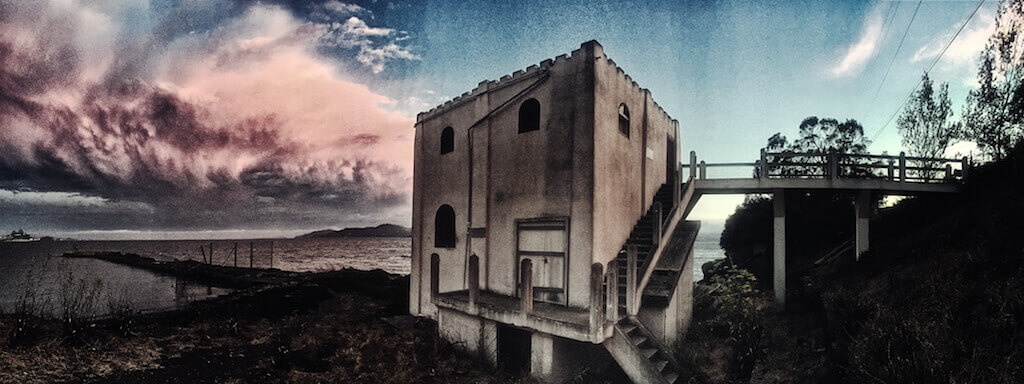
We met a couple of times away from the prison, exchanging papers, talking about the class, usually at my boat, often at a sunset. The photographic evidence is right there. Middle of July. The Bay. Beautiful woman. Sunset. I was, let's say, taking some pictures. But our first date wasn't until the end of that July. Anna Deavere Smith, my former professor and mentor, performed her play on the school-to-prison pipeline at Berkeley Rep. That. That was the first date. Which tells you something about the gravitational field around this woman. Most people's first date is a drink. Technically we had one before and after. Ours was a one-woman show about the architecture of American incarceration, performed by the person who'd been one of my teachers. And I sat there in the dark thinking, oh. Oh. This is going to be different, isn't it.
Start there. Start with that room, and that parking lot, and that theater in July. Because everything else, the PhD, the book, the Associate Professorship, the national initiative, the whole CV, none of it lands right until you understand that the woman with the credentials is the same woman walking through the sally port with a paperback, talking about Baldwin like Baldwin is talking back.
She's a geographer. I know. I know. Geography is the discipline everyone thinks they took in eighth grade and barely passed: capitals, exports, the dim memory of being asked to color in Paraguay. I'm sure most of her dates displayed their wit by asking her to name capitals. Forget all of that. That is not what this is. Lindsey studies the places we use to hide the things we can't stand to look at. The poisons. The buried histories. The neighborhoods we quietly designated as the ones it was fine to ruin. And she walks straight up to the uncomfortable question and asks it without flinching: why here, why them, why you?
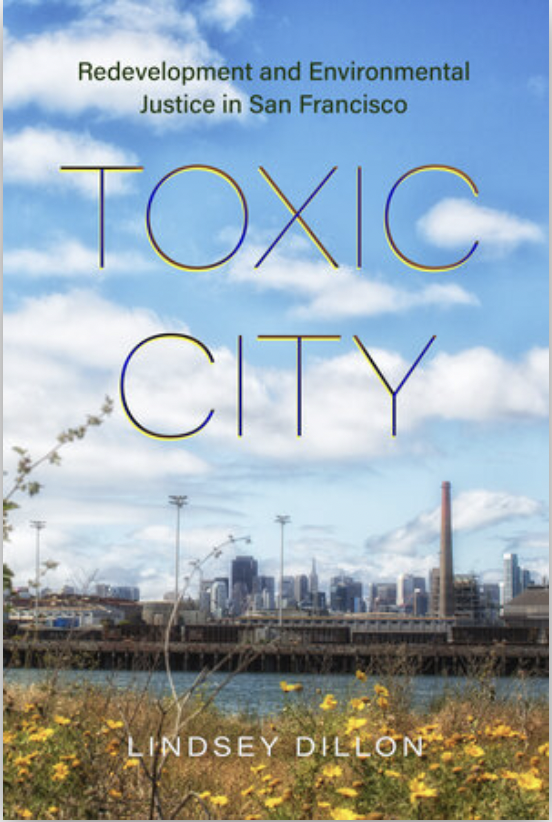
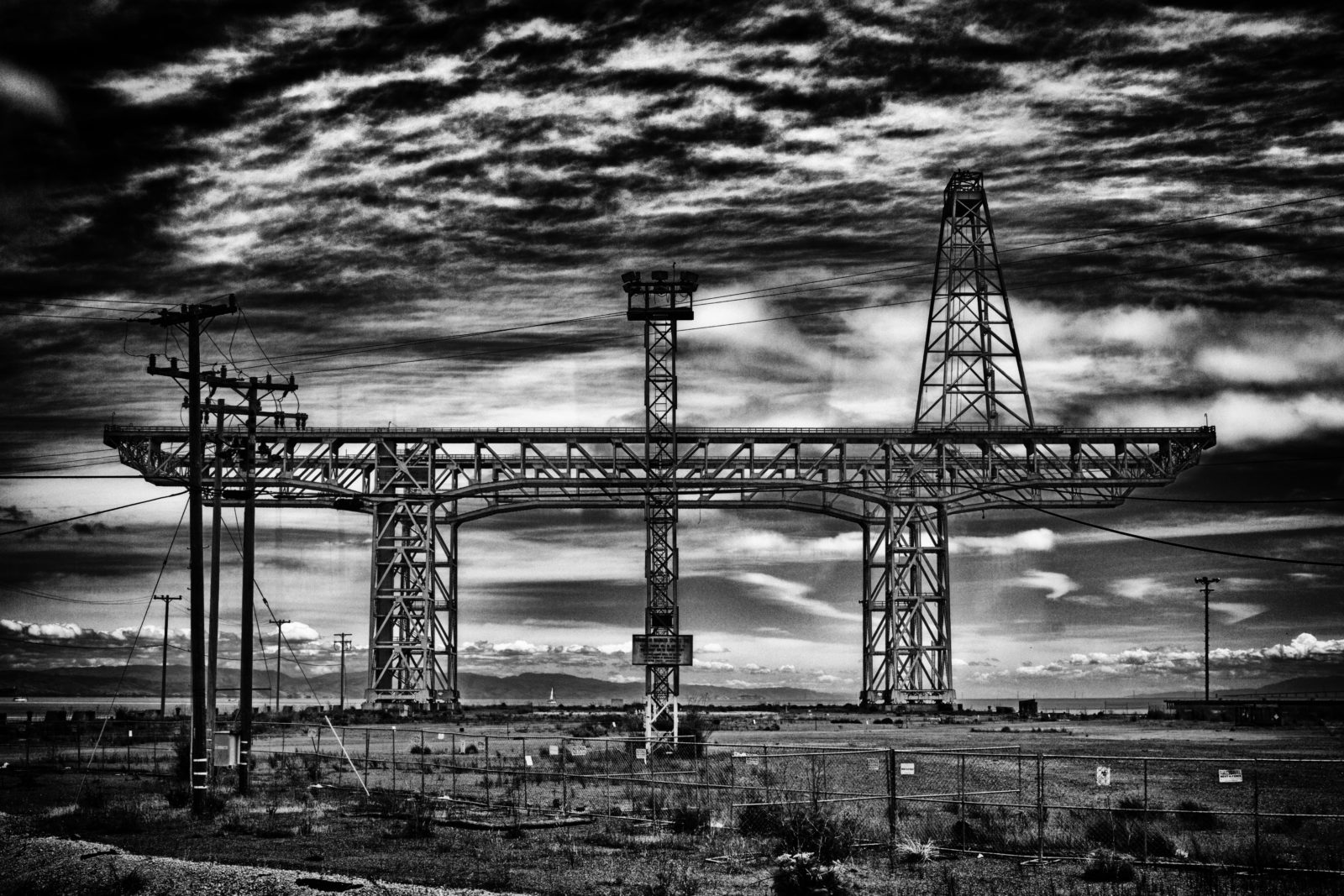
Berkeley PhD. Professor. She spent it tracing the long radioactive shadow of military and industrial contamination through San Francisco neighborhoods nobody in power ever bothered to protect, because the people who lived there had been pre-sorted, by the city itself, into the category of acceptable losses. Her book is called Toxic City, and yes, fine, judge it by the cover. THAT IS THE POINT OF THE COVER. (The cover, while we're here — full disclosure, full bias on the record — is a photograph I took at Hunters Point about a month into whatever this was becoming, on what she called, with a completely straight face, a date. A date. To a Superfund site.) It's about redevelopment and environmental justice in a place that loves to talk about how progressive it is while quietly running the same old machinery underneath, the machinery that decides who gets the park and who gets the plume. The vocabulary around her field (political ecology, feminist geography, critical race theory) makes a certain kind of person roll their eyes, and look, I get it, academic language is often a stalling tactic, a fog machine. She doesn't use it that way. She uses it the way a mechanic uses a wrench. To turn the bolt. To get the thing open.
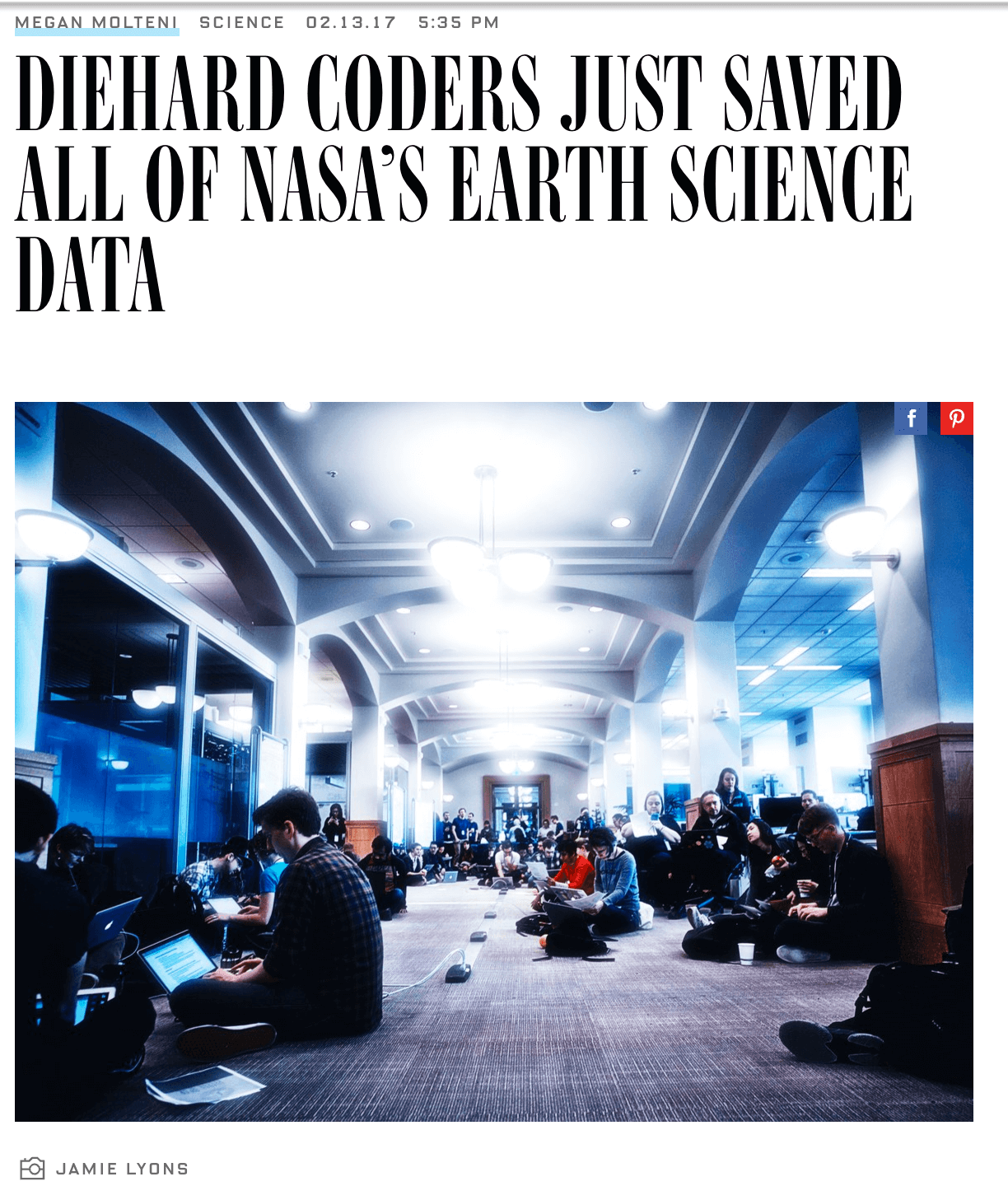
She helped start the Environmental Data and Governance Initiative (EDGI) at the exact moment people in power decided that environmental data should start, mysteriously, disappearing from federal servers. The premise was almost embarrassingly simple: if the record goes, the accountability goes with it. So they kept the record. That's it. That's the whole thing. The project picked up national recognition, which is nice, but the point isn't the recognition. The point is that the numbers are still there. Her work runs in the American Journal of Public Health, in Antipode, in Environment and Planning D. At UC Santa Cruz Lindsey's an Associate Professor of Sociology and the Undergraduate Education Chair, and she teaches social theory and environmental inequality and feminist methods to undergraduates who, with any luck, will be ruined for the easy version of every one of those topics for the rest of their lives.
None of which gets her. Not really. Not even close.
She carries losses. Her mother, her uncle. And what's striking is what she does not do with them. She does not wield them. She does not display them. They live inside her as a kind of permanent calibration, the thing that taught her, early, that the cost of looking away is higher than the cost of looking. So she doesn't look away. Not from the toxic site. Not from the man in the prison classroom. Not from the friend coming apart in her kitchen. Not from me, when I'm being a pain in the ass, which is often enough to be statistically significant. It's the same muscle every time. She just keeps her eyes on the thing.
She changes the weather in a room without doing anything visible to change it. Conversations with her run thirty minutes long because nobody, including me, can quite work out how to stand up and leave. I should have known in that parking lot. I think part of me did. There is no performance here. There is no version of her she's giving you while keeping the real one in reserve. What you get is what there is, and what there is is rare enough that I notice it every day and have not gotten used to it yet.
As a friend, she will not tell you it's going to be fine. She will tell you the truth. And the truth, somehow, in her hands, ends up being a sturdier thing than the easy reassurance ever could be. As a partner, she's the person I keep choosing, not in some big swelling-strings way, but at the granular level, every ordinary Tuesday. The alternative, something I felt after a few nights in that cold, foggy prison parking lot, is a life with less of her in it. That life... I'd always feel the shape of what I'd lost.
Pay attention. Tell the truth. Don't look away.
That's the spine of the work. It's also the spine of how she moves through an afternoon.
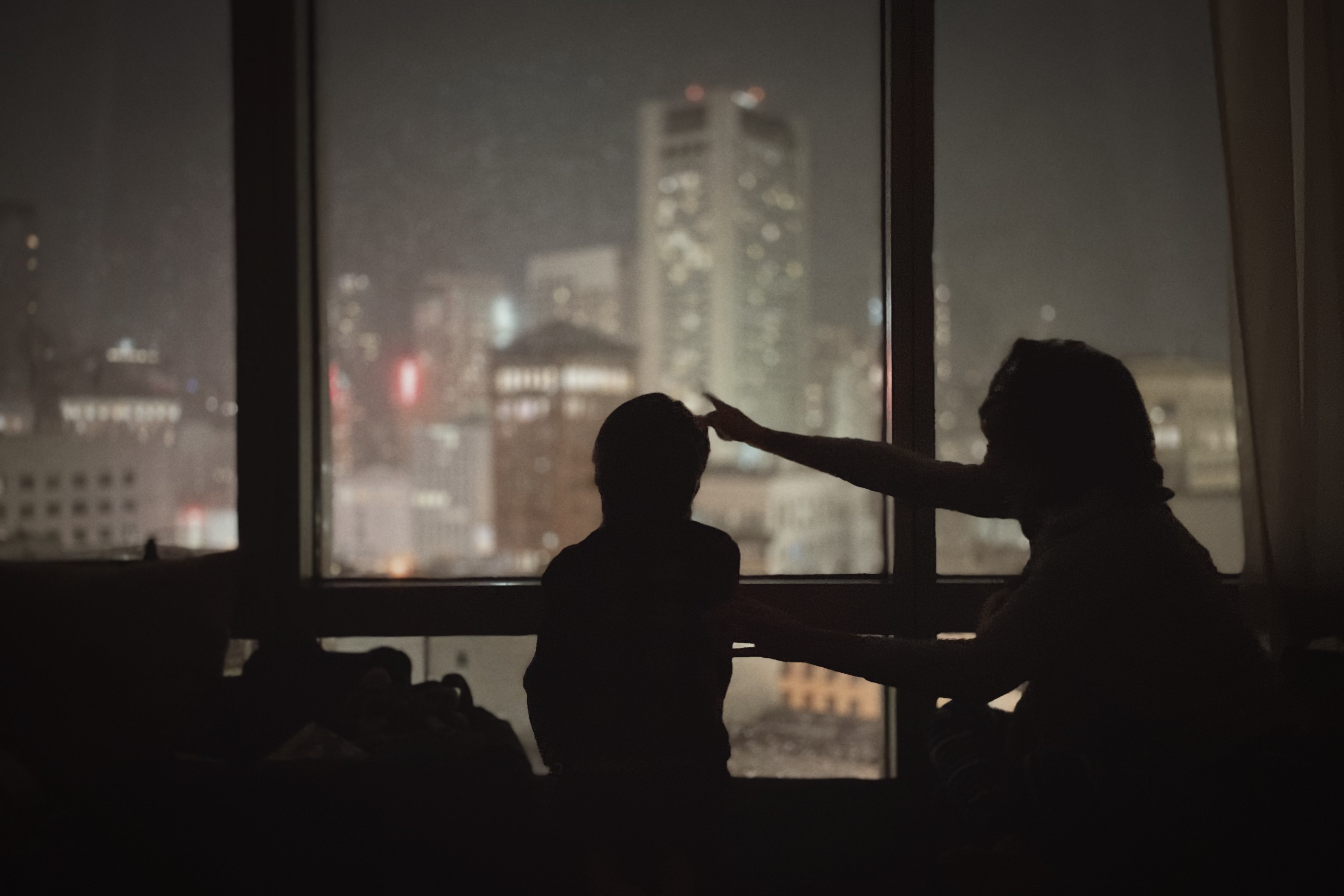
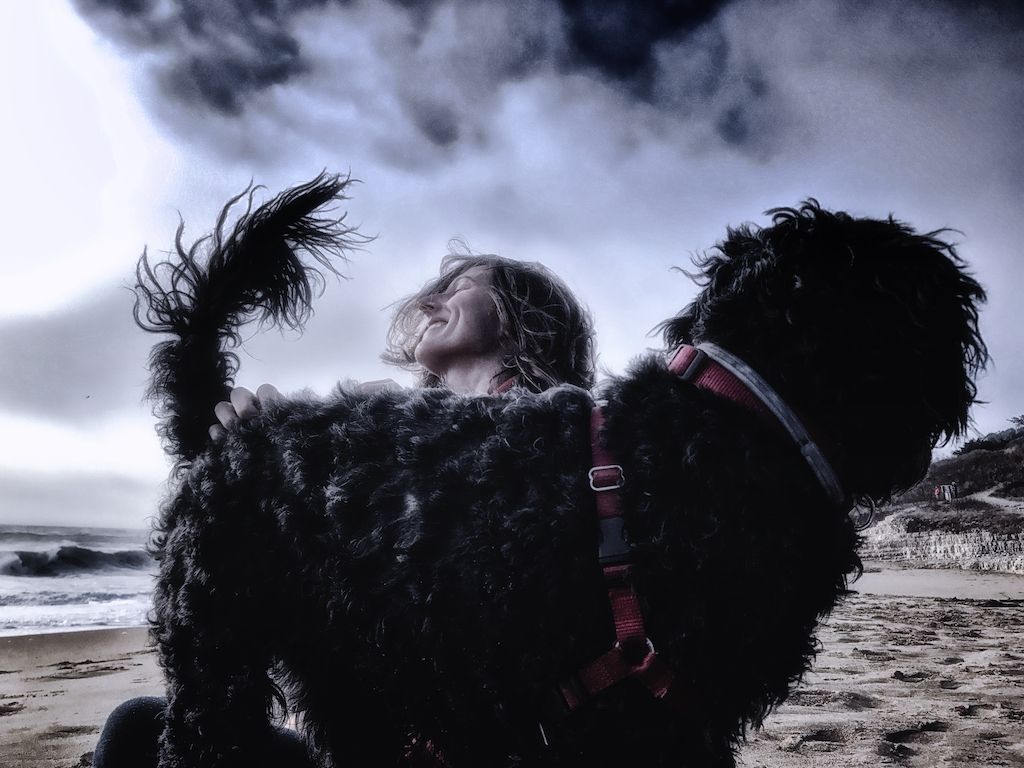
The thing about this shot is it captures what i can’t hold onto: Lindsey and Charlie, backlit against a city that’s just starting to make sense to the kid, or maybe never will. Every photograph I make carries the weight of every moment that made me capable of seeing this one. Every song that wrecked […]
Well, as you can plainly see, the possibilities are endless like meandering paths in a great big beautiful garden. William S. Burroughs, Naked Lunch I’ve been places. I’ve seen things. I’ve eaten meals that cost more than my first car and stood in front of art that makes you question everything you thought you knew […]
We met in prison. San Quentin. Which sounds like the opening line of either a really good story or a really bad one, depending on your tolerance for irony and how much faith you’ve still got left in coincidence as a delivery mechanism for the divine. So far it’s been the former, knock wood, spit […]
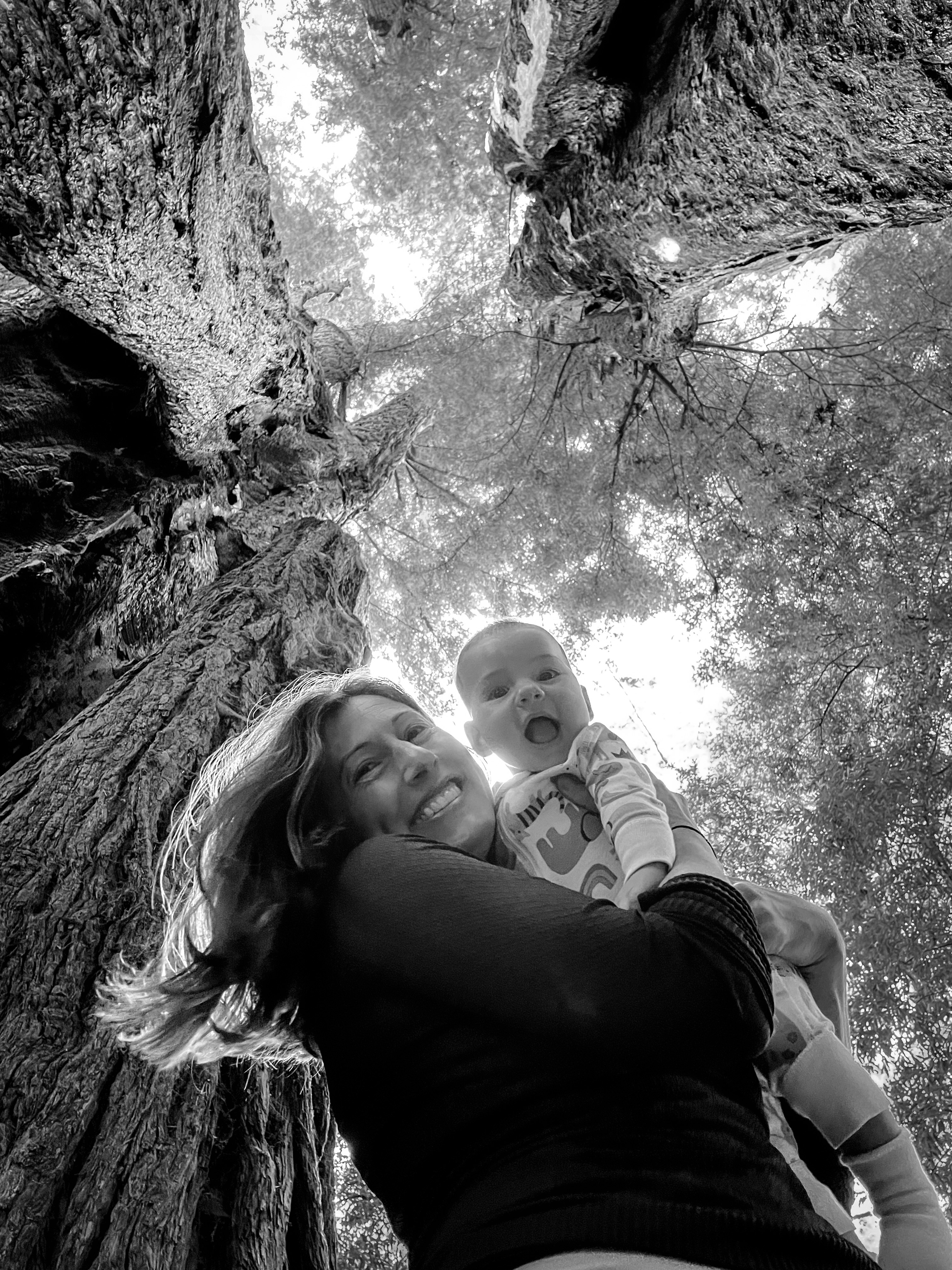
I’m not going to bullshit you about some mystical awakening or whatever the fuck people claim happens when they see big trees. But laying there on a bed of redwood needles looking up at five month old Charlie, this tiny perfect human who somehow shares my DNA, held by Lindsey in that cathedral of redwoods? […]
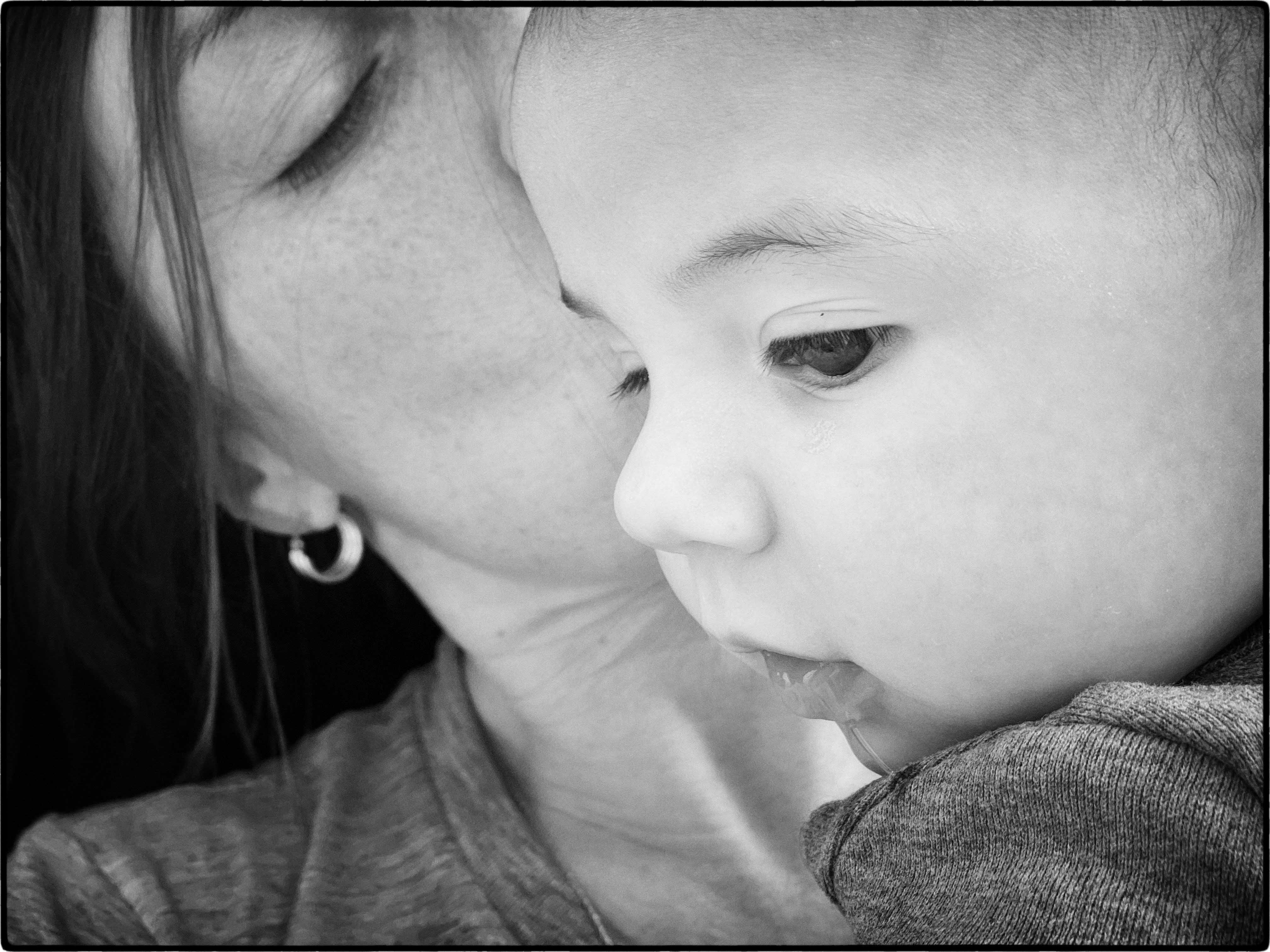
Look at this photograph. Lindsey with Charlie at four and a half months. I took this picture and I remember thinking: I need to capture this. Not for Instagram, not for the baby book, not for some future slideshow at his wedding. I needed it for him. For later. For when he’s fifteen or twenty-five […]
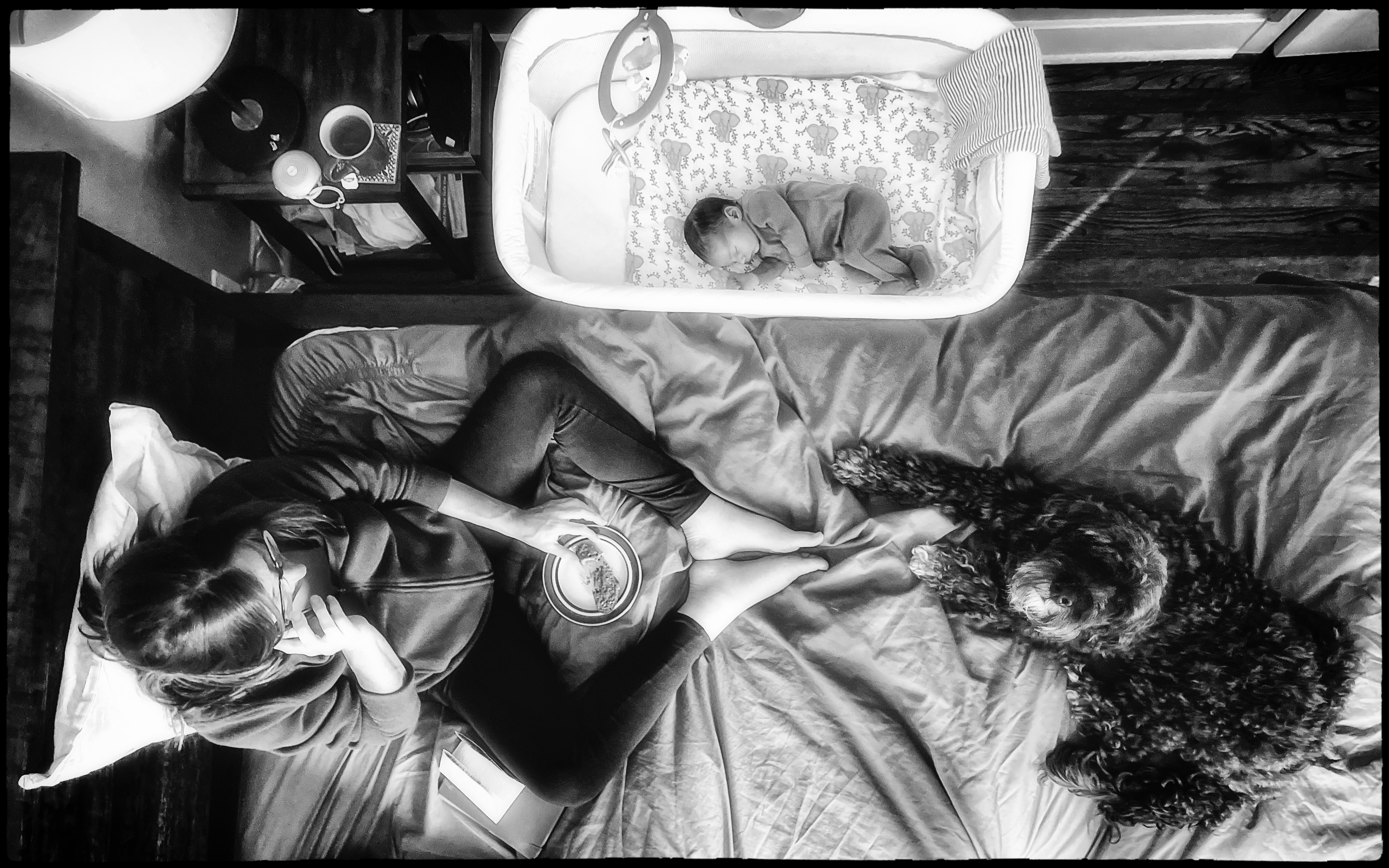
Week One Charlie, and here’s what nobody told me at the baby shower while they’re cooing over the organic onesies and making jokes about sleep deprivation like it’s some kind of sitcom punchline instead of the existential throat-punch it actually is: I’m not ready. I will NEVER be ready. And every single smiling face who […]
An America that asks what it owes its most vulnerable citizens is improved and humane. An America that looks away is ignoring not just the sins of the past but the sins of the present and the certain sins of the future. Ta-Nehisi Coates, We Were Eight Years In Power: An American Tragedy, 2017 BUILD […]
So fine was the morning except for a streak of wind here and there that the sea and sky looked all one fabric, as if sails were stuck high up in the sky, or the clouds had dropped down into the sea. Virginia Woolf, To the Lighthouse Davenport Beach, it’s not some tourist trap with overpriced […]
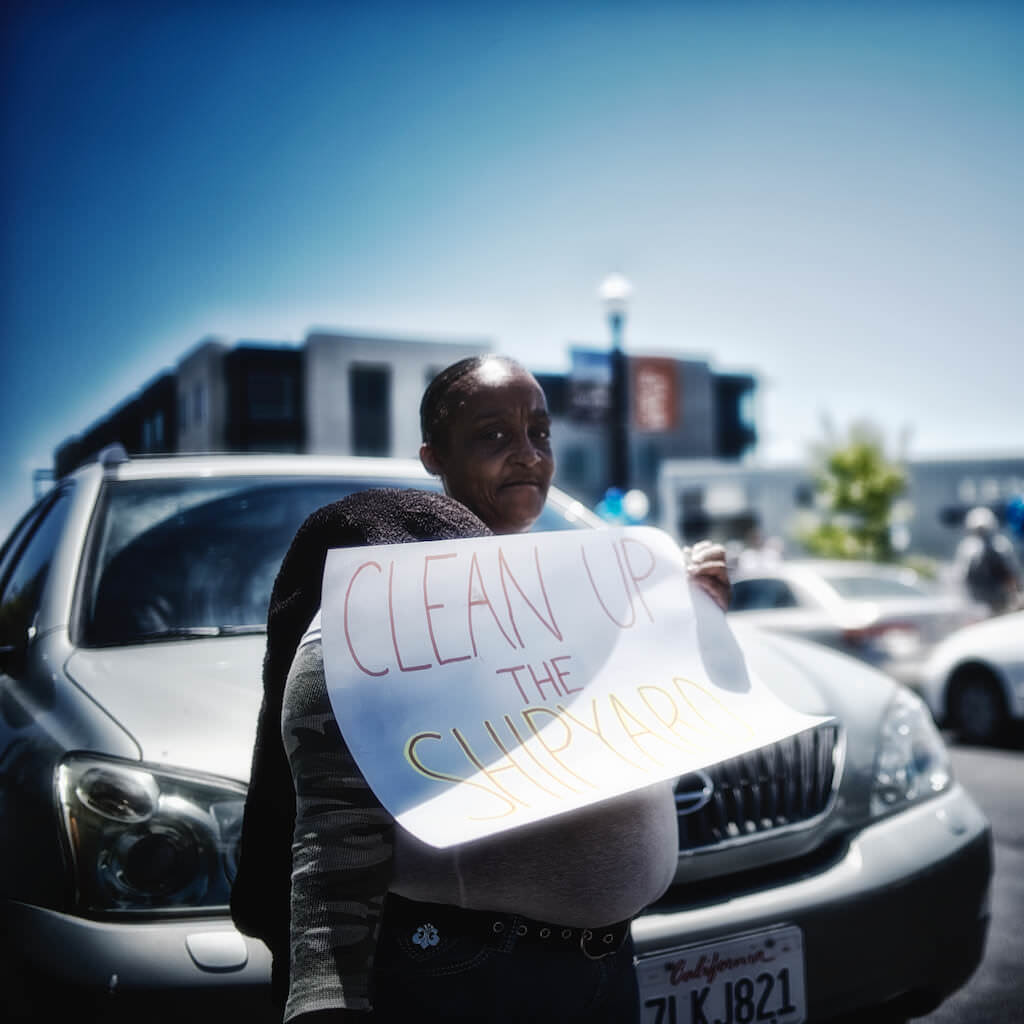
Some developer, Lennar, or “Five Points” when they want to sound like they give a shit about community, throws a “Grand Opening” for luxury townhouses called “Monarch.” Because of course they’re called Monarch. Because nothing says “we care about the people who’ve been living here for generations” like naming your overpriced boxes after royalty. And […]
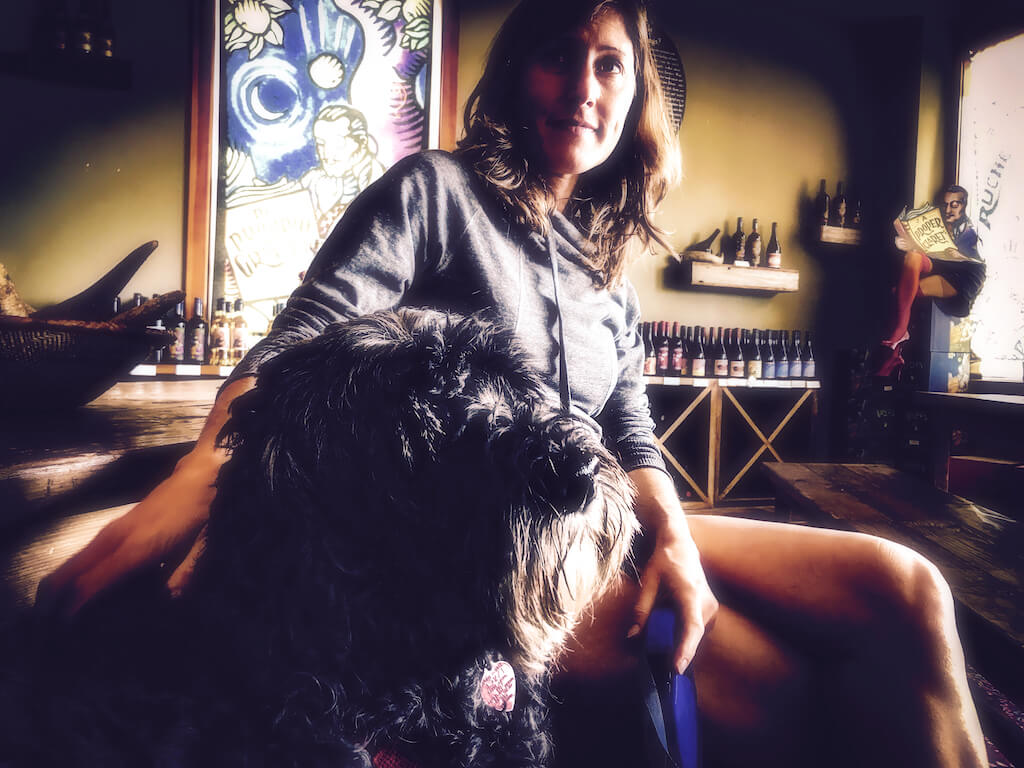
Look at this. Just… look at this. Lindsey… The kind of beautiful that makes you forget what you were going to say. Natural, unforced, the real thing. And Sharka, with those soulful eyes, gorgeous in that way only dogs who’ve been loved properly and know it can be. Cheap wine in the coastal Bonny Doon […]
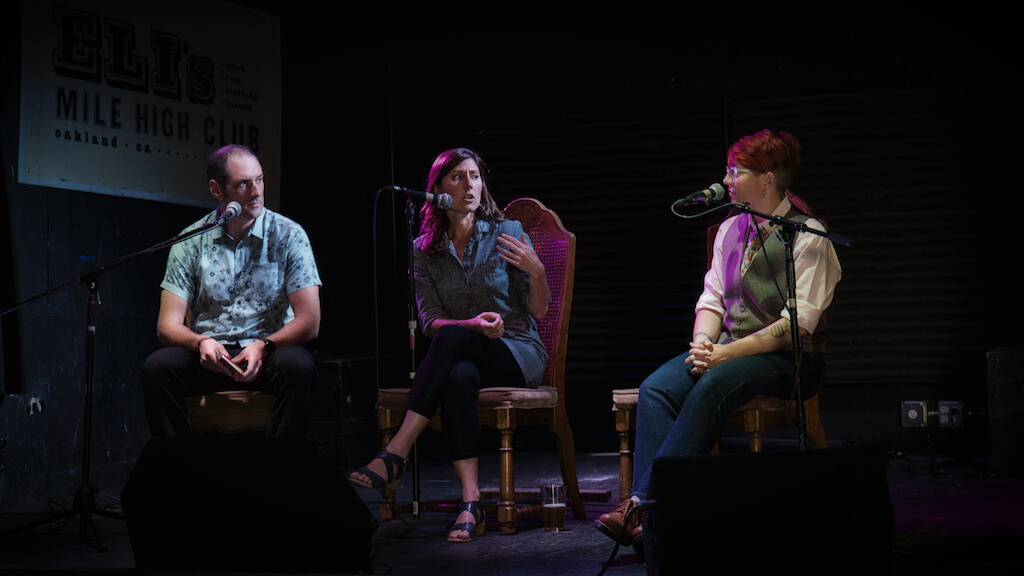
Resistance: Ars Technica editors Annalee Newitz and Joe Mullin sit down with UC Santa Cruz sociology professor Lindsey Dillon to talk about how the Trump administration has been ripping scientific and environmental data off the Web, page by page, dataset by dataset, decades of hard-won public knowledge memory-holed in broad daylight while we all sat […]
Look. Lindsey sitting there, in that fourth frame, book in hand, like she’s the only thing holding the world together. As if she’s the reason the wind bothers to blow across that ocean. You know what I’m talking about? That particular quality certain people have where they don’t just occupy space, they complete it… they […]
Buildings without foundations will inevitably come down. I can be fooled, but my kids won’t be… either we will correct what’s wrong, it will be corrected for us. James Baldwin, Take This Hammer We’re real good at forgetting where we buried the bodies. Or in this case, where we buried the plutonium. Hunters Point. Say […]
Let me way this. I was 22 when I came to prison and of course I have changed tremendously over the years. But I had always had a strong sense of myself and in the last few years I felt i was losing my identity. There was a deadness in my body that eluded me, […]