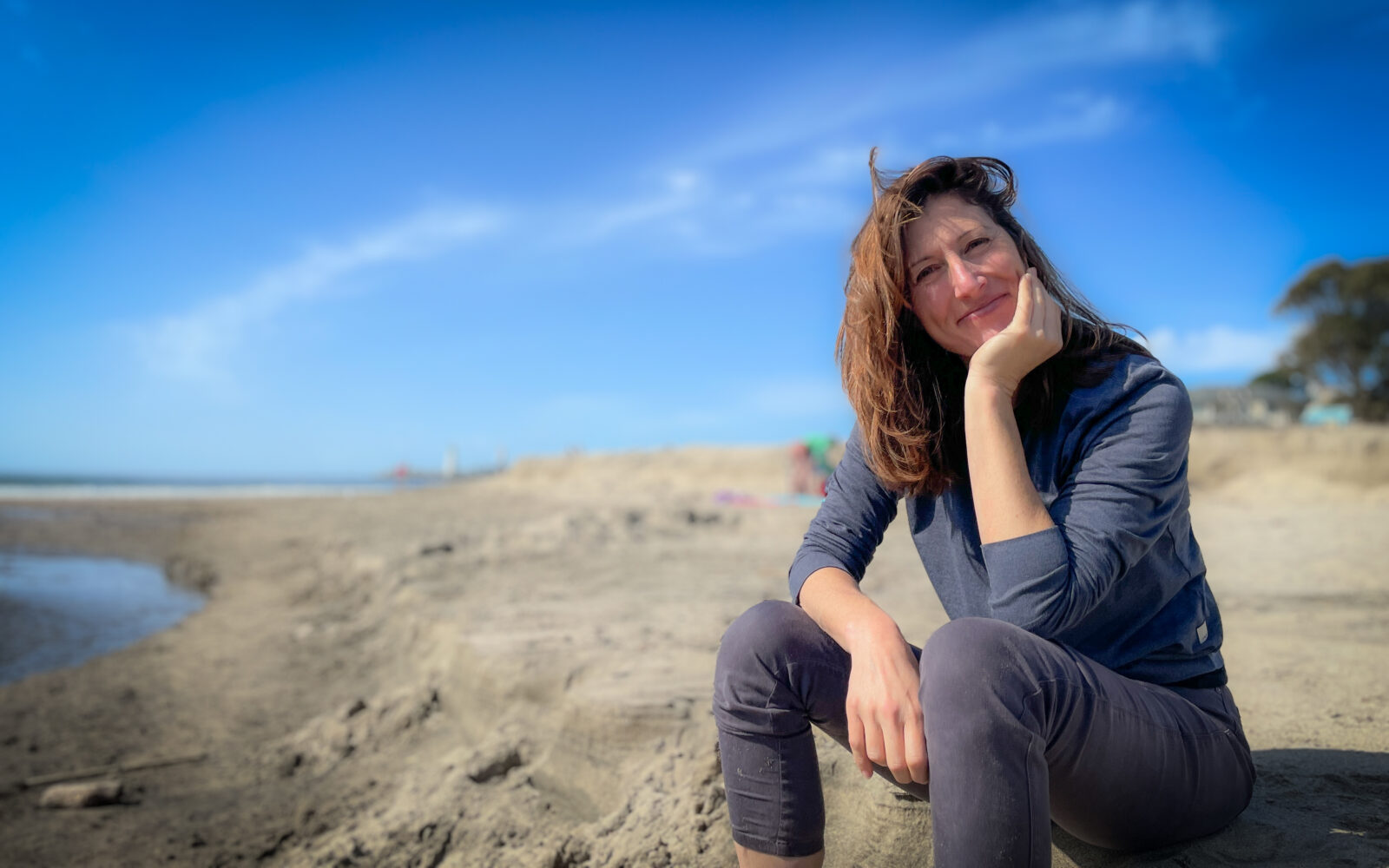
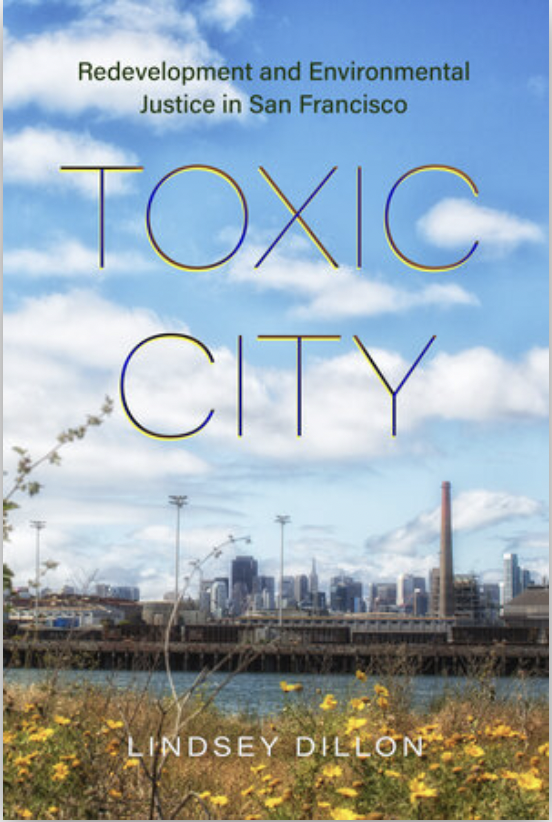
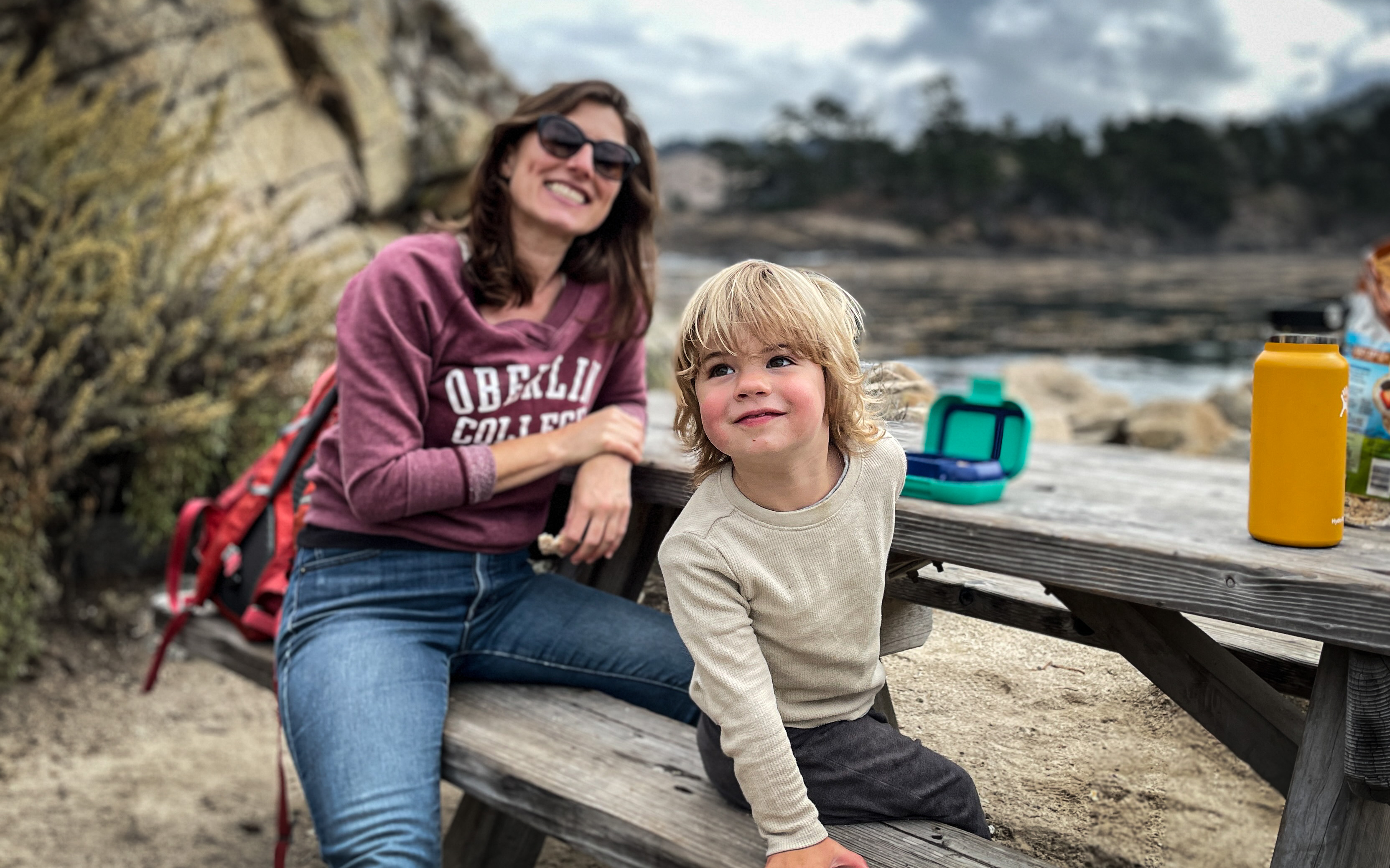
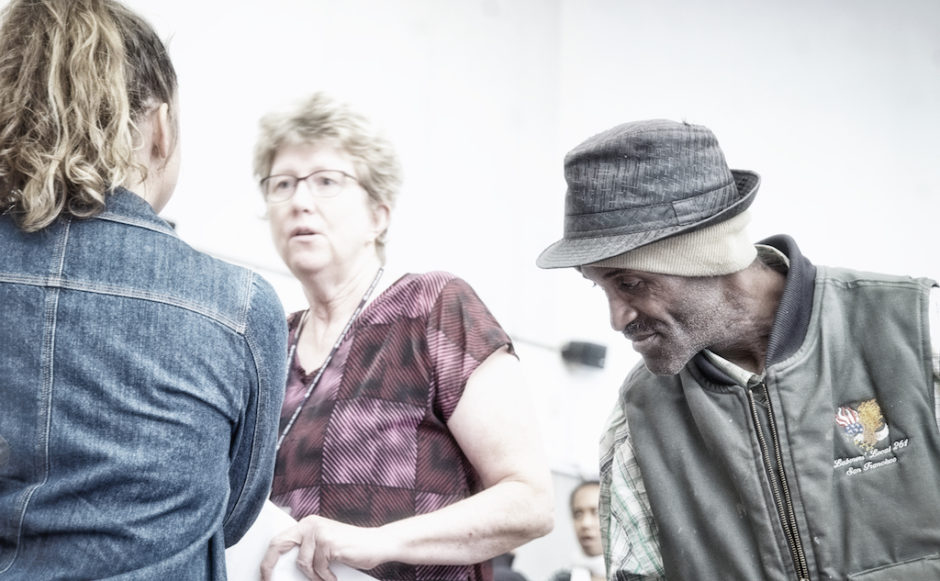
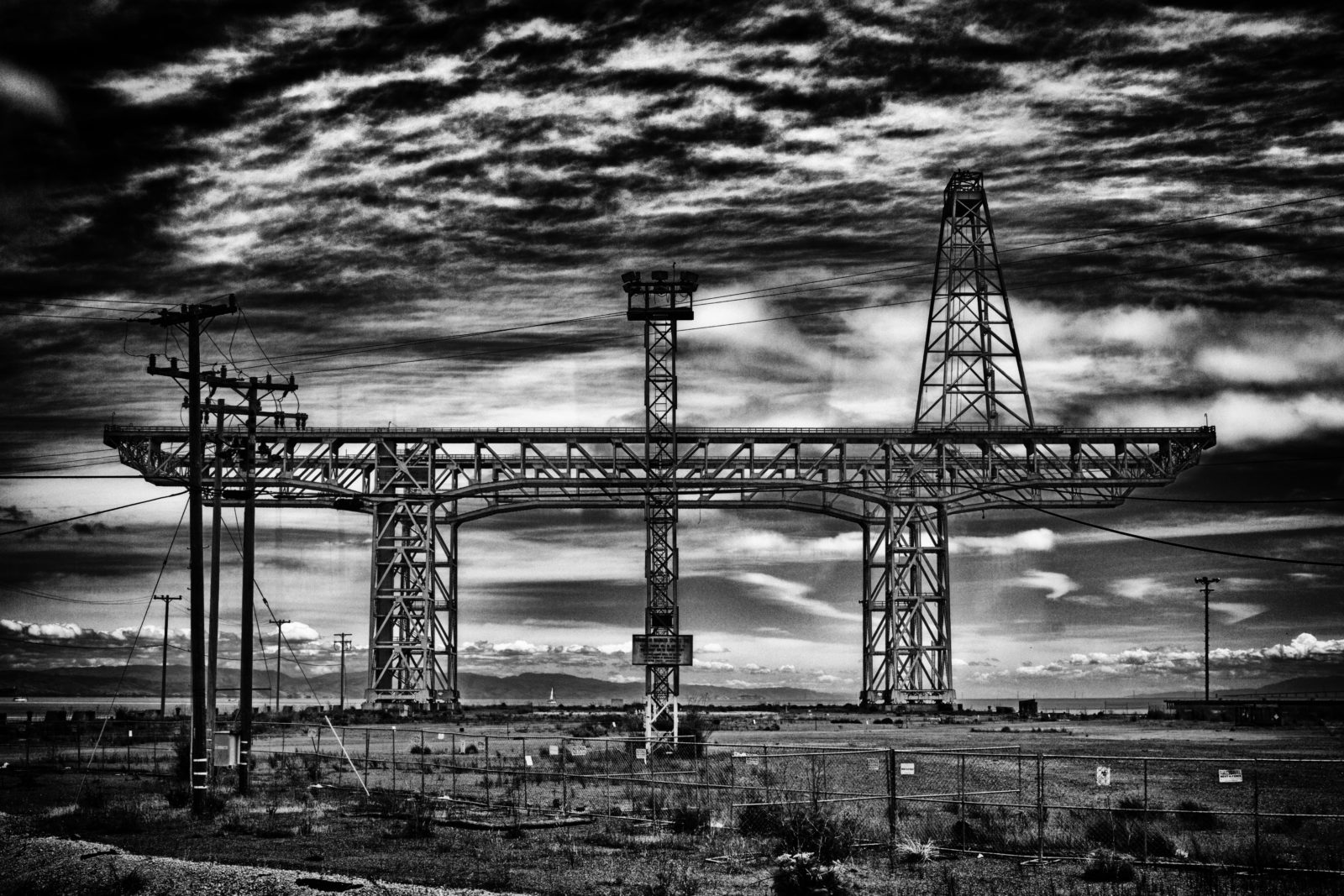
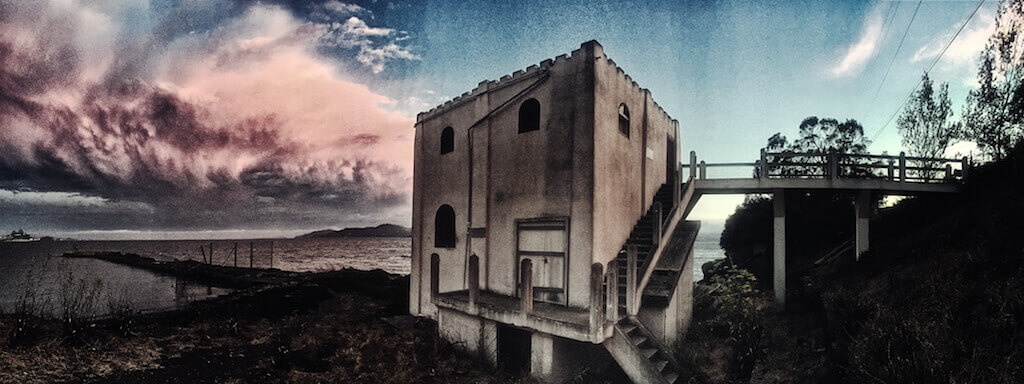
Lindsey Dillon's a geographer. Right there, most people check out. Geography. They think of maps on classroom walls, of state capitals memorized and forgotten. But that's not what Lindsey does. What Lindsey does is look at the places where America has decided to dump its poison and then ask the question nobody in power wants asked: Why here? Why these people? She got her PhD from Berkeley studying how race and waste and space intersect in the ugliest ways imaginable, mapping the toxic legacies of military sites and industrial abandonment in San Francisco neighborhoods where people were never supposed to matter enough to protect. She wrote a whole book about it. Toxic City, published by UC Press, documenting redevelopment and environmental justice in a city that loves to congratulate itself on its progressivism while poisoning its Black and brown residents along carefully drawn racial lines. Political ecology, feminist geography, critical race theory, science and technology studies. These aren't just lines on her CV. They're the intellectual weapons she's chosen to fight with, and she fights.
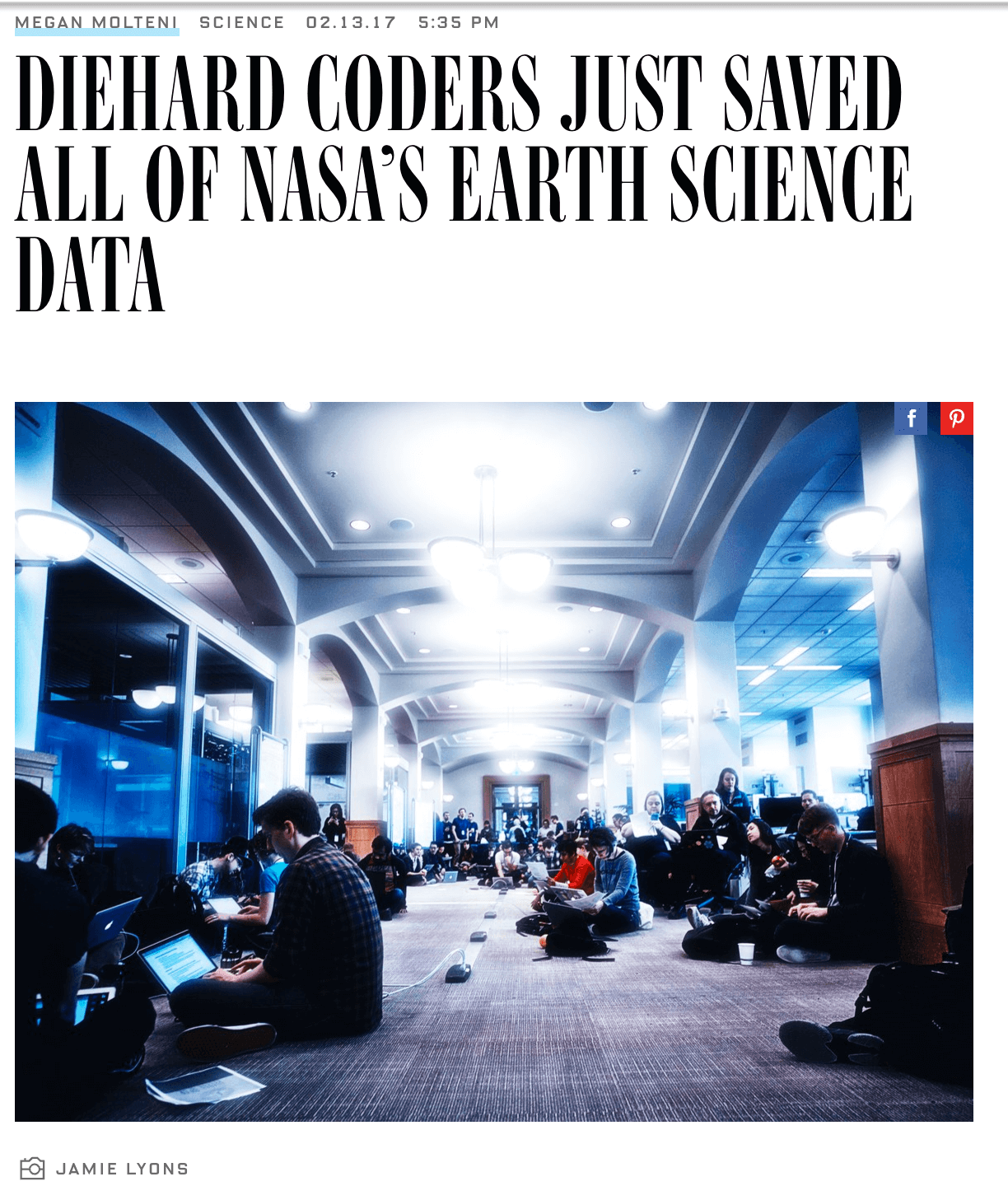
She co-founded the Environmental Data and Governance Initiative when certain people in Washington decided that if you couldn't see the data on environmental destruction, maybe it wasn't really happening. That initiative won the J. Franklin Jameson Archival Advocacy Award from the Society of American Archivists, because what Lindsey understood, what she has always understood, is that information is power, and the erasure of information is violence by another name. She's published in the American Journal of Public Health, in Antipode, in Environment and Planning D, in law reviews and research magazines. She's been profiled in the Santa Cruz Sentinel and interviewed by Salon, by Outside Magazine, by Wired, by Bay Nature.
At UC Santa Cruz Lindsey Dillon's an Associate Professor of Sociology and the Undergraduate Education Chair. She teaches courses on contemporary social theory, environmental inequalities, feminist methodologies, the politics of space and difference. She's affiliated with Environmental Studies, Community Studies, Critical Race and Ethnic Studies, Latin American and Latino Studies, the Science and Justice Research Center. Her work doesn't fit neatly into one department, one discipline, one tidy little box. The work spills over. It has to. The problems she's addressing don't respect disciplinary boundaries, and neither does she.
But here's what the CV and the publication list and the awards don't tell you. They don't tell you about the woman who walked through the yard at San Quentin State Prison every week to co-teach a class, who stood in front of men doing twenty to life and talked about James Baldwin with a complete lack of performance that made everyone else in the room, including her co-teacher, who was busy falling for her, look like they were acting. They don't tell you about the woman who lost her mother to cancer, her uncle to AIDS back when that was still a death sentence wrapped in stigma and silence, and who carries that grief not as some badge of authenticity but as a quiet engine that drives her refusal to look away from hard truths. She doesn't do tragedy porn. She doesn't do suffering as abstraction. She does the work.
As a mother, Lindsey brings the same ferocious attentiveness she brings to everything else. The same refusal to accept the easy answer, the comfortable lie. The same insistence on seeing clearly, on being present, on showing up with everything she has. Motherhood, for Lindsey, isn't a retreat from the world but an extension of that same fundamental commitment: to care, radically and without reservation, for what matters.
As a partner, she's the kind of person who makes you want to kick over a few tables. To borrow from Eldridge Cleaver, who knew something about what it means to find another person who fills up the dead spots, who makes your step recover its definiteness, its confidence, its boldness. She's the one you end up talking to in cold prison parking lots under sodium lights long after you should have gone home, neither of you willing to be the first to say goodbye, because what's happening between you feels more real than anything else on the outside ever did. There's no performance with her. There's no posturing. There's just this brilliant, unshakeable force of a person who sees right through whatever intellectual or emotional armor you've assembled for the day and says, without saying it, that she sees you anyway, and she's staying.
As a friend, she's the person you call when the world stops making sense. Not because she'll tell you everything's going to be fine, but because she won't. She'll tell you the truth, and the truth from Lindsey Dillon has a weight and a warmth to it that most people's comfort never achieves. She picks up toads and makes them beautiful, to paraphrase C.S. Lewis. She walks through mud and the mud is beautiful. She runs in the rain and the rain turns silver. That's not metaphor. That's just what happens when someone moves through the world with that particular combination of intelligence and compassion and absolute intolerance for bullshit and frauds.
The academy is full of people who study injustice from a safe distance. Lindsey Dillon is not one of them. She's an Oberlin grad from San Diego who thought she could change the world and then actually went out and tried, and keeps trying, in classrooms and prisons and poisoned neighborhoods and the halls of power where data gets disappeared. A Chancellor's Postdoctoral Fellow at UC Davis, she turned that fellowship into a career of looking directly at how this country hurts its most vulnerable people, writing books and articles that make sure nobody gets to look away.
She is, in every sense that matters, the real thing. Partner, mother, scholar, professor, friend. In every role, in every room, in every cold parking lot and prison yard and faculty meeting and bedtime story, she shows up entirely. No half measures. No performance. No comfortable delusions. Just Lindsey, present and unafraid, making beauty all round her.
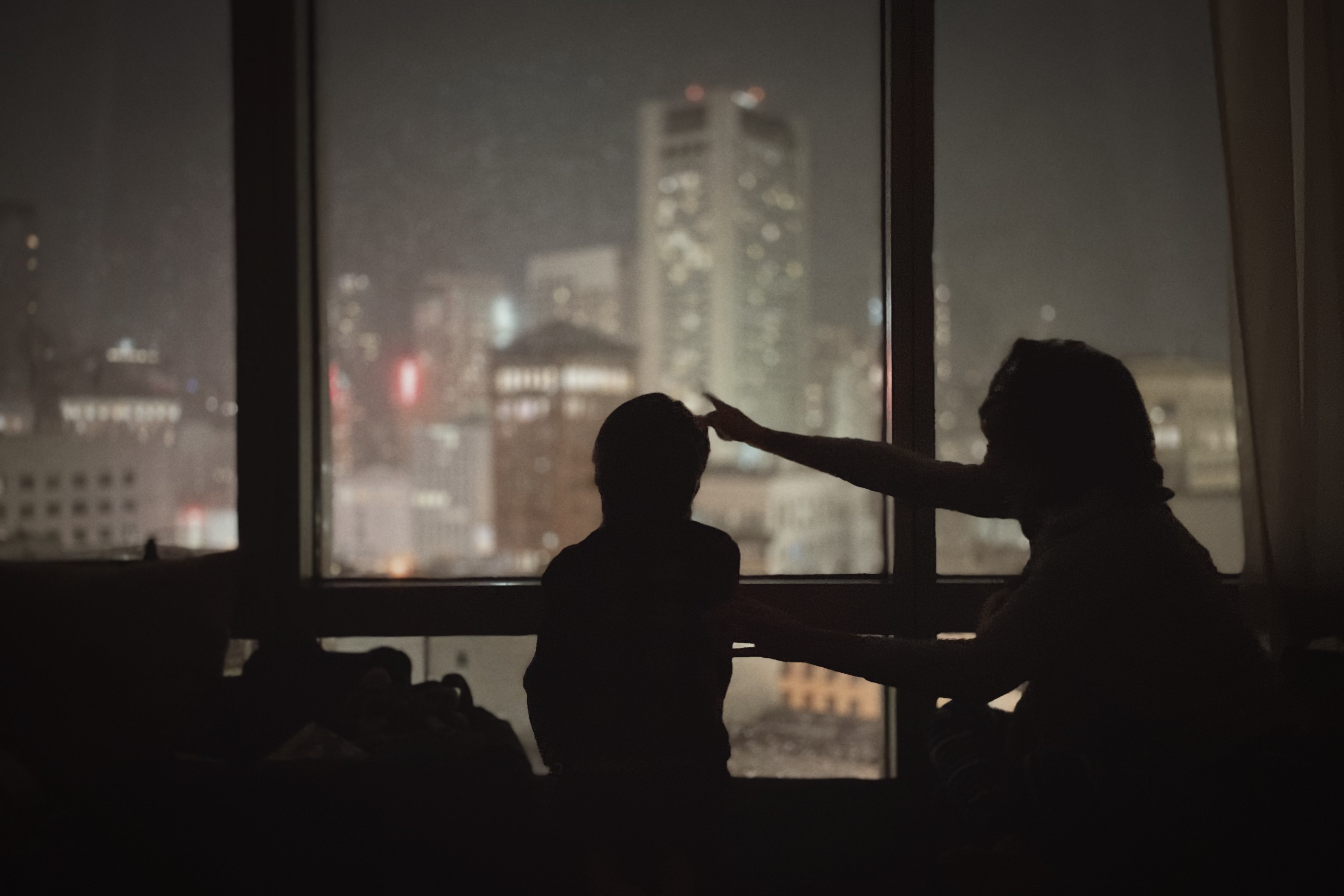
The thing about this shot is it captures what i can’t hold onto: Lindsey and Charlie, backlit against a city that’s just starting to make sense to the kid, or maybe never will. Every photograph I make carries the weight of every moment that made me capable of seeing this one. Every song that wrecked […]
Well, as you can plainly see, the possibilities are endless like meandering paths in a great big beautiful garden. William S. Burroughs, Naked Lunch I’ve been places. I’ve seen things. I’ve eaten meals that cost more than my first car and stood in front of art that makes you question everything you thought you knew […]
We met in prison. San Quentin, to be exact. Which sounds like the beginning of either a really good story or a really bad one, depending on your tolerance for irony. Turns out it was the former. When we were first dating she’s took me all around Hunters Point. The southeastern corner of San Francisco […]
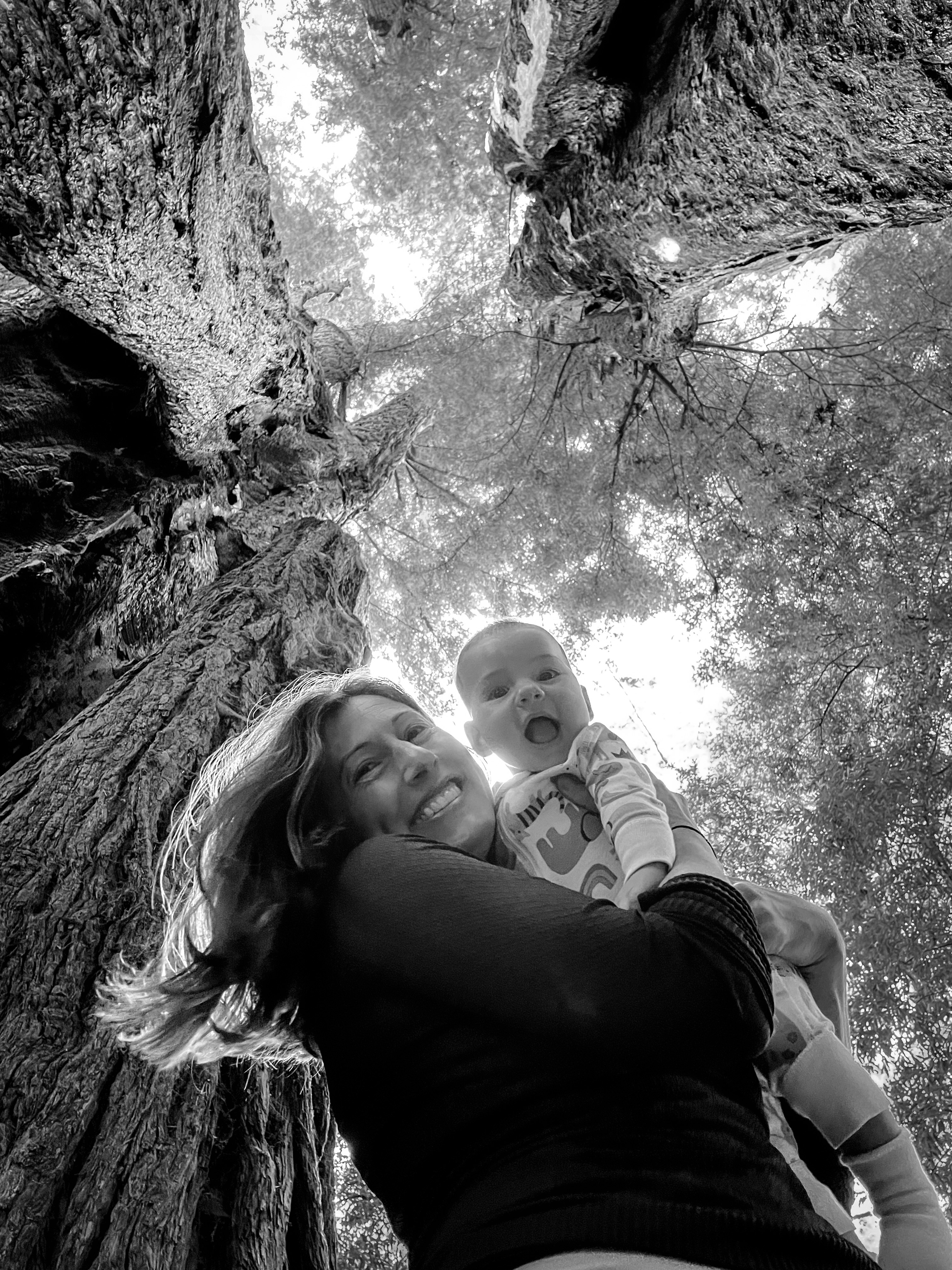
I’m not going to bullshit you about some mystical awakening or whatever the fuck people claim happens when they see big trees. But laying there on a bed of redwood needles looking up at five month old Charlie, this tiny perfect human who somehow shares my DNA, held by Lindsey in that cathedral of redwoods? […]
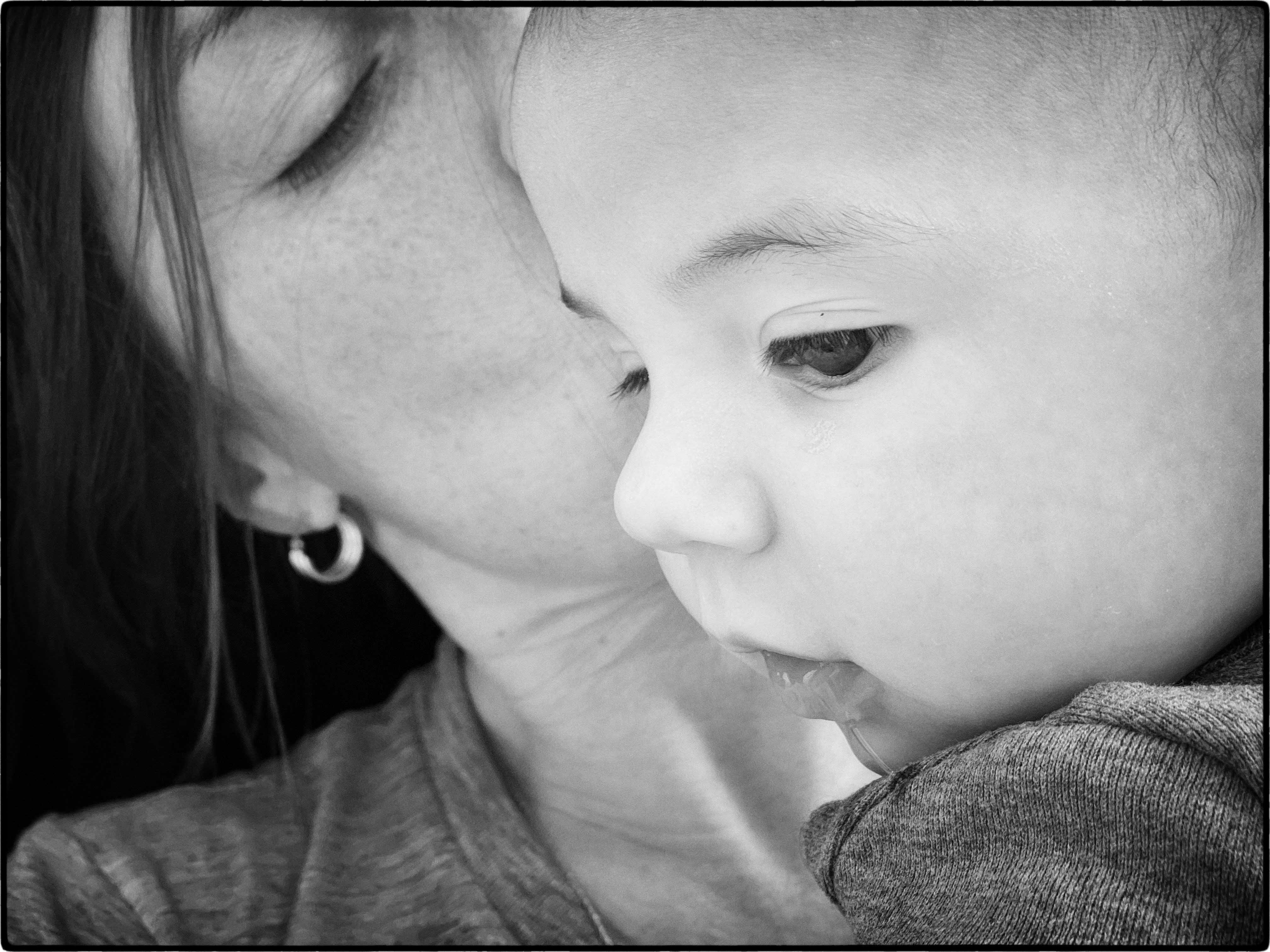
Look at this photograph. Lindsey with Charlie at four and a half months. I took this picture and I remember thinking: I need to capture this. Not for Instagram, not for the baby book, not for some future slideshow at his wedding. I needed it for him. For later. For when he’s fifteen or twenty-five […]
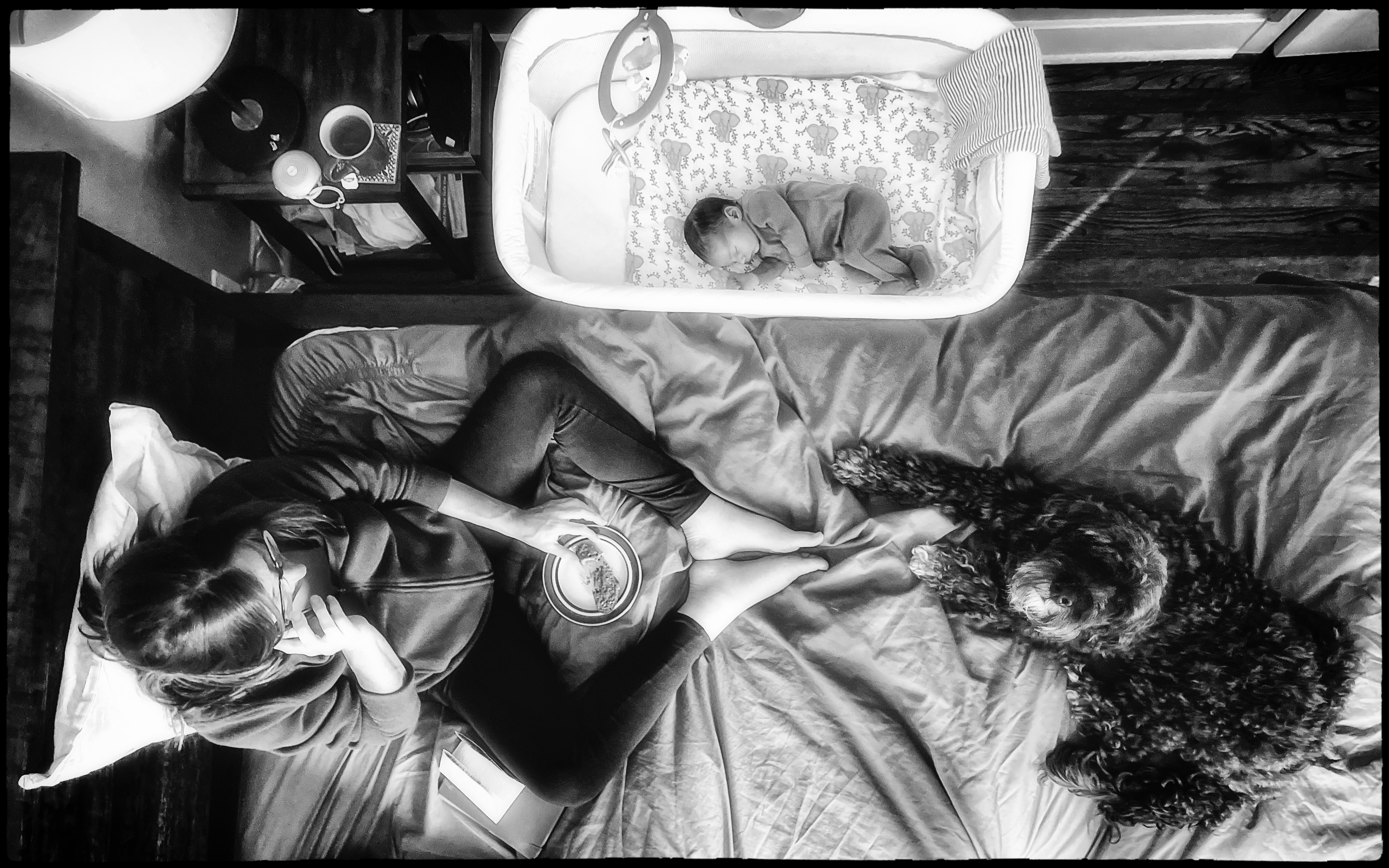
Week One Charlie, and here’s what nobody told me at the baby shower while they’re cooing over the organic onesies and making jokes about sleep deprivation like it’s some kind of sitcom punchline instead of the existential throat-punch it actually is: I’m not ready. I will NEVER be ready. And every single smiling face who […]
An America that asks what it owes its most vulnerable citizens is improved and humane. An America that looks away is ignoring not just the sins of the past but the sins of the present and the certain sins of the future. Ta-Nehisi Coates, We Were Eight Years In Power: An American Tragedy, 2017 BUILD […]
So fine was the morning except for a streak of wind here and there that the sea and sky looked all one fabric, as if sails were stuck high up in the sky, or the clouds had dropped down into the sea. Virginia Woolf, To the Lighthouse Davenport Beach, it’s not some tourist trap with overpriced […]
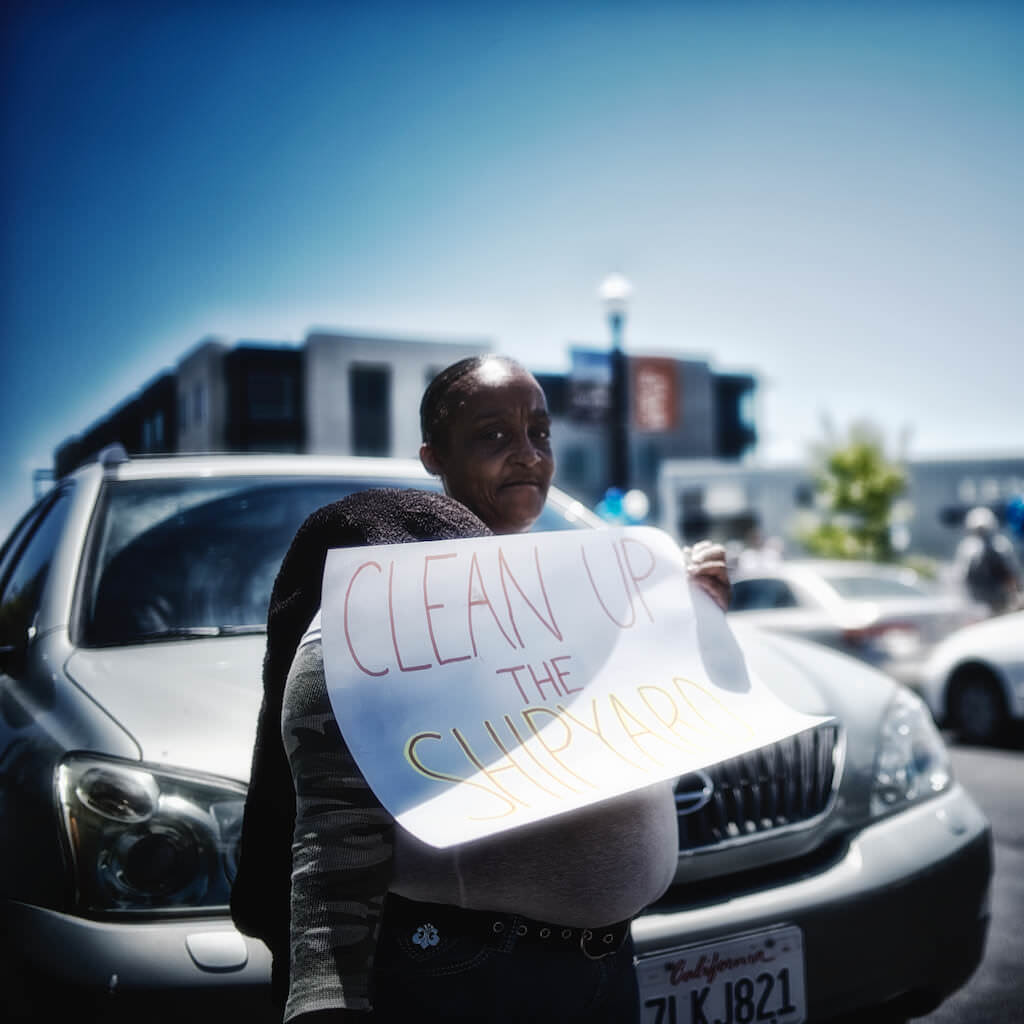
Some developer, Lennar, or “Five Points” when they want to sound like they give a shit about community, throws a “Grand Opening” for luxury townhouses called “Monarch.” Because of course they’re called Monarch. Because nothing says “we care about the people who’ve been living here for generations” like naming your overpriced boxes after royalty. And […]
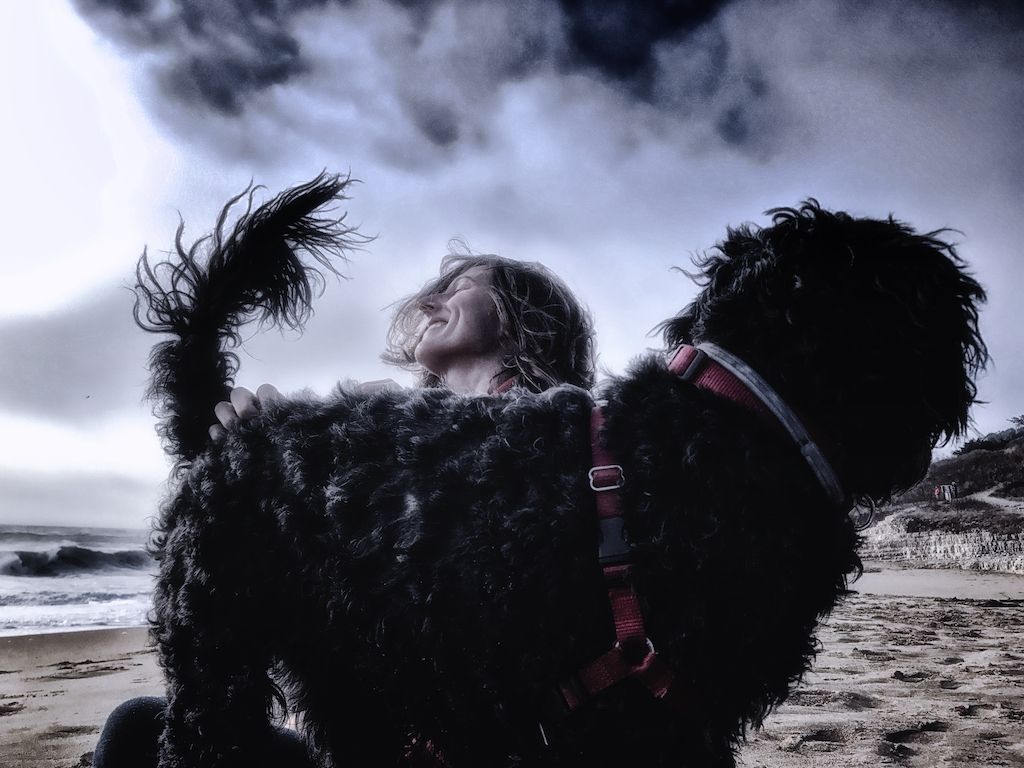
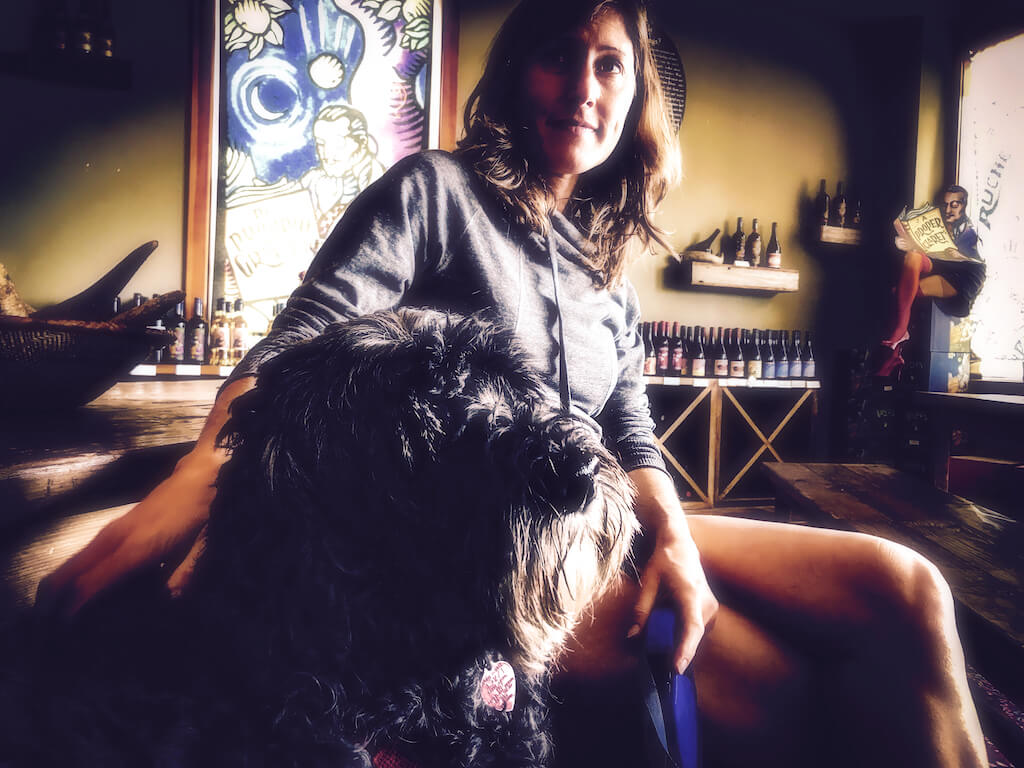
Look at this. Just… look at this. Lindsey… that face could stop traffic on Highway 1. The kind of beautiful that makes you forget what you were going to say. Natural, unforced, the real thing. And Sharka, with those soulful eyes, gorgeous in that way only dogs who’ve been loved properly can be. Cheap wine […]
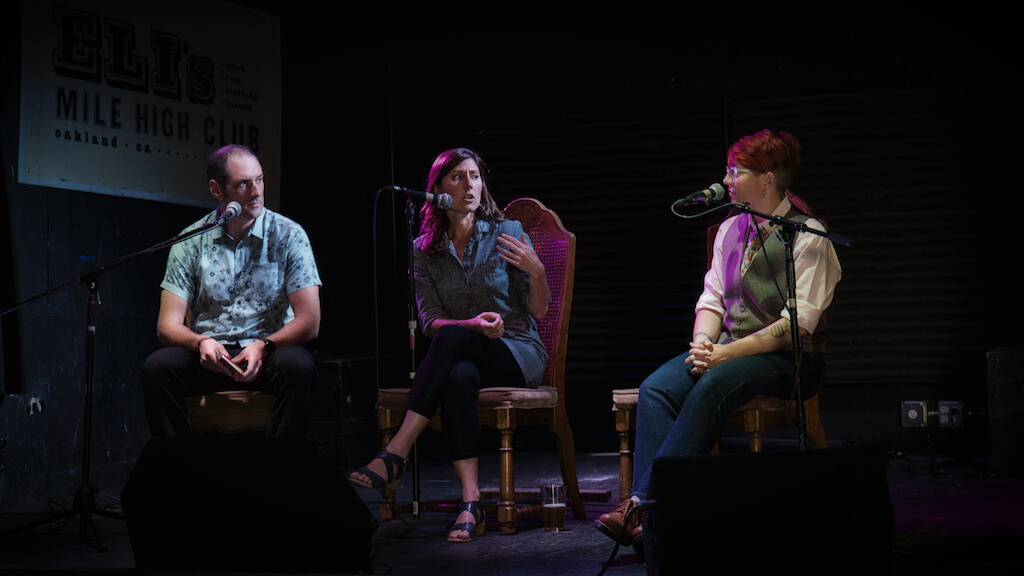
Resistance: Ars Technica editors Annalee Newitz and Joe Mullin speak to UC Santa Cruz sociology professor Lindsey Dillon about how the Trump administration has been removing scientific and environmental data from the Web.
Look at her. Lindsey sitting there in that fourth frame like she’s the only thing holding the world together, like she’s the reason the wind bothers to blow across that grass. You know what I’m talking about, that particular quality certain people have where they don’t just occupy space, they complete it. The Halprins knew. […]
Buildings without foundations will inevitably come down. I can be fooled, but my kids won’t be… either we will correct what’s wrong, it will be corrected for us. James Baldwin, Take This Hammer We’re real good at forgetting where we buried the bodies. Or in this case, where we buried the plutonium. Hunters Point. Say […]
Let me way this. I was 22 when I came to prison and of course I have changed tremendously over the years. But I had always had a strong sense of myself and in the last few years I felt i was losing my identity. There was a deadness in my body that eluded me, […]