how noble in reason,
how infinite in faculties."
They're hijacking geography."
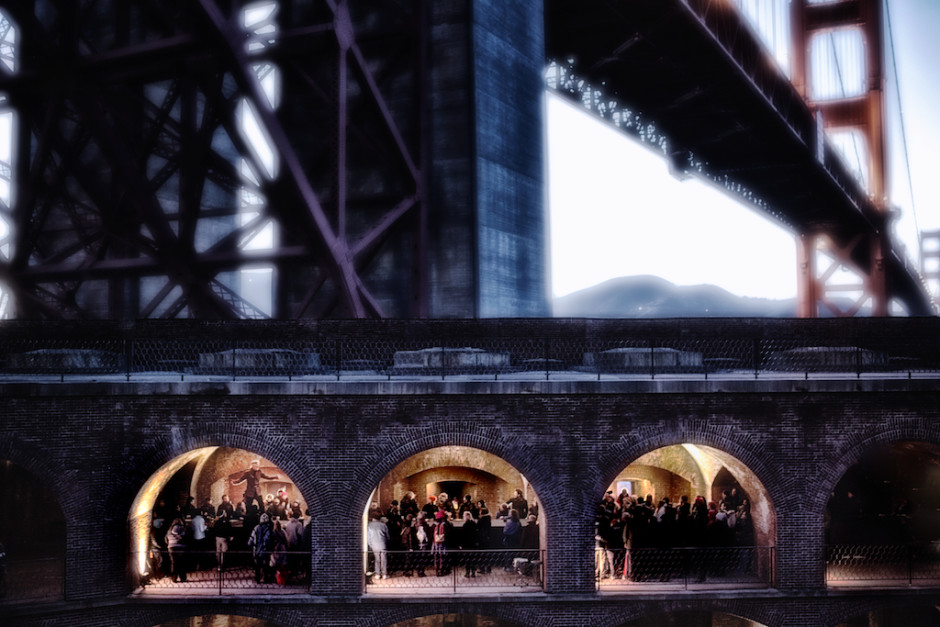
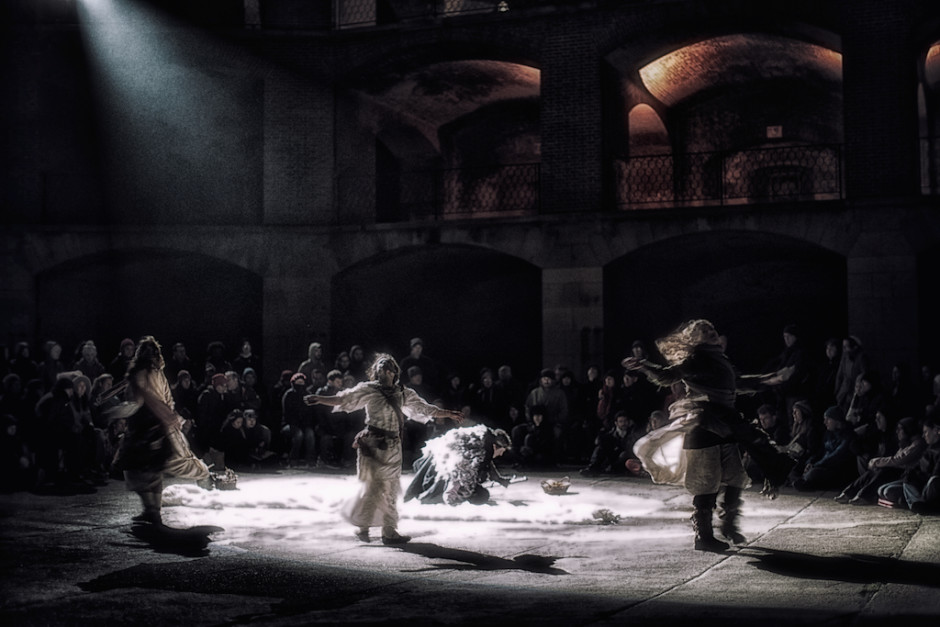
We Players aren't really doing theatre — they're hijacking geography. They take Fort Point, that hulking Civil War relic squatting beneath the Golden Gate Bridge, and turn it into a place where Macbeth's witches aren't performing at you. They're bleeding through the walls, through the fog, through the salt-corroded iron that's been holding up the bridge's southern tower since before your grandparents were born. Suddenly Shakespeare isn't some academic exercise in iambic pentameter — it's visceral, immediate, real in ways that should be impossible for 400-year-old words.
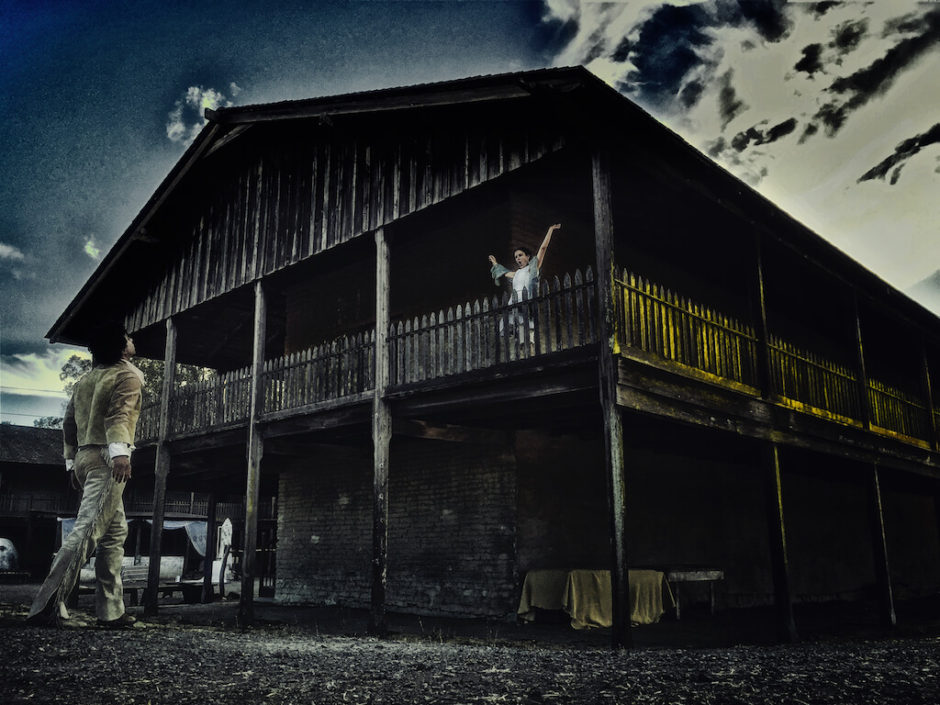
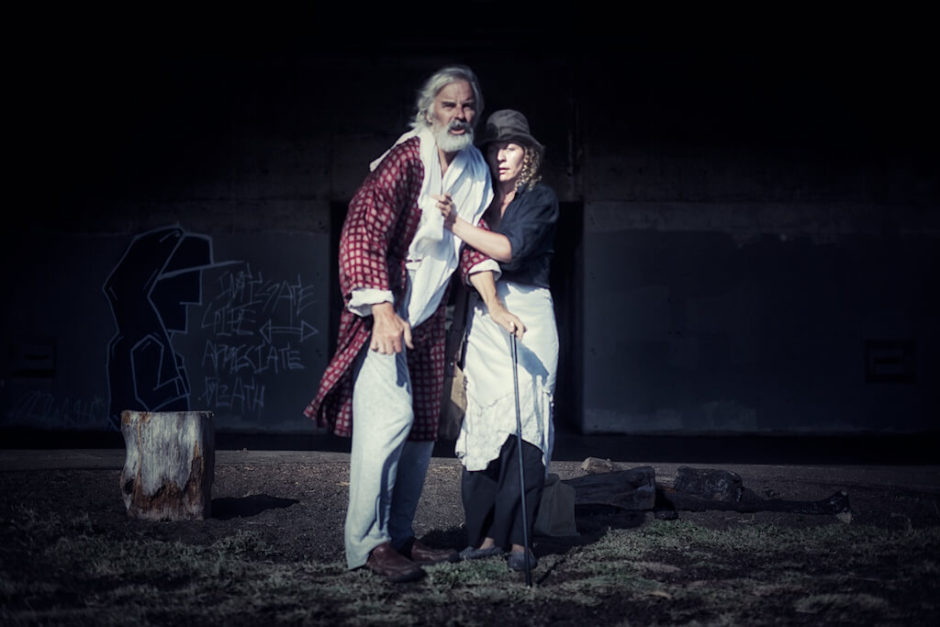
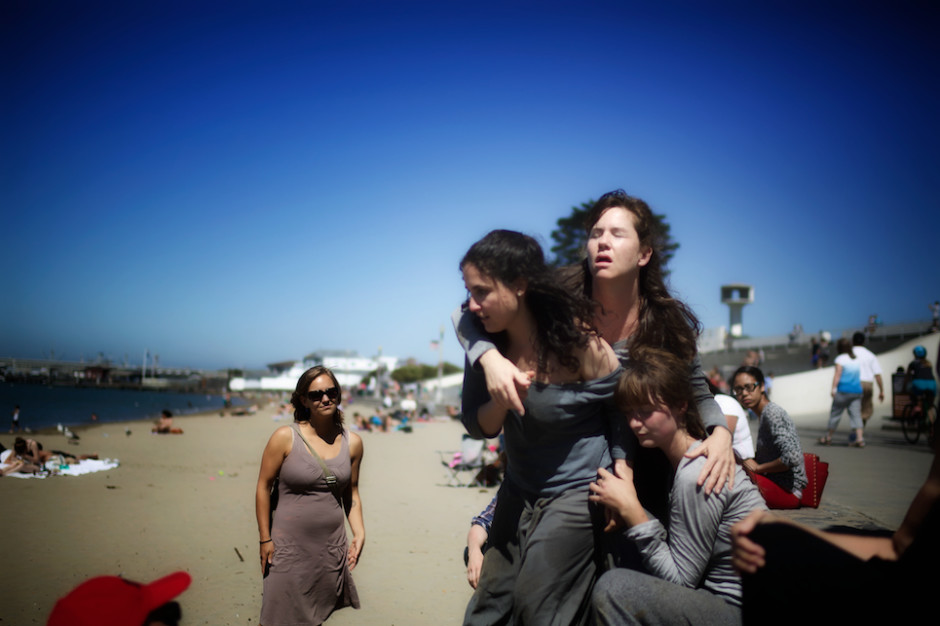
My photographs capture something essential about what happens when performance stops apologizing for existing and starts demanding that the world bend to its will. This isn't site specific theatre in the precious, MFA workshop sense. This is theatre that understands place has its own narrative gravity, its own ghosts, its own electromagnetic field that pulls meaning into new configurations.
We Players gets it. They understand that the National Parks Service sites they colonize aren't neutral containers but active collaborators, sometimes hostile ones. Performing King Lear in the Headlands means negotiating with wind that can drown out dialogue, with cold that makes your hands shake, with light that refuses to cooperate. Shakespeare never had to compete with Nike missile sirens or tour buses disgorging confused retirees who suddenly find themselves in the middle of Act III.
This is performance that respects its audience enough to make them uncomfortable — to make them walk a mile in questionable shoes, stand in the cold while Lear howls at a storm that isn't simulated. Democratic in the truest sense: not dumbed down, not accessible through compromise, but open to anyone willing to meet it on its own unforgiving terms.
You cataracts and hurricanoes, spout
Till you have drench'd our steeples, drown'd the cocks!"
And all the men and women merely players;
They have their exits and their entrances,
And one man in his time plays many parts."

Golden Gate Bridge
Macbeth · 2013/14
NPS · GGNRA
King Lear · King Fool
1836 · Adobe Walls
Romeo & Juliet
Industrial Maritime
Trio Happening
Wind drowns dialogue
Cold shakes hands
Globe & Headlands
Every ghost present
to make them uncomfortable."
Macbeth · King Lear · Romeo & Juliet · Trio Happening · King Fool
Fort Point · Rodeo Beach · Petaluma Adobe · Aquatic Park · National Parks Service · GGNRA
Spectaclism / False Art · All content © 2026 Jamie Lyons