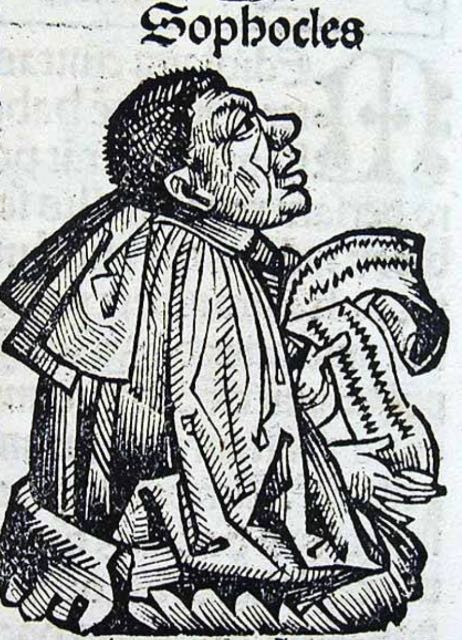
The thing about Sophocles is he didn't give a fuck about your feelings, but he gave every fuck about what made you feel. This guy was writing in an era when theater wasn't entertainment. It was civic duty. Religious obligation. The whole catastrophic weight of being human crammed into a few hours of masks and chanting, performed for the entire citizen body of Athens sitting in stone seats under the Mediterranean sun, watching with the seriousness people now reserve for almost nothing. Fifteen thousand people. One stage. Sun beating down. And he owned it like a bastard genius who knew exactly what he was doing.
Oedipus Rex? It's not a detective story. Everyone treats it like some ancient episode of Law & Order: Thebes. But that diminishes it.Read it as a systematic dismantling of everything you think you know about control, about rational thought, about the possibility of outrunning your own mother fucking shadow. Sophocles takes this king, this smart, successful, problem-solving son of a bitch, and watches him unravel thread by thread until there's nothing left but blood and screaming and a truth so ugly you can't look at it straight on. And the king does it to himself. That's the genius move. That's the whole horror right there. The destruction is self-inflicted. Oedipus could stop investigating at any point. Anyone reasonable would.
The prophet tells him to stop.
His wife tells him to stop.
The shepherd tells him to stop.
He keeps going.
He keeps demanding the truth.
He keeps insisting on knowing.
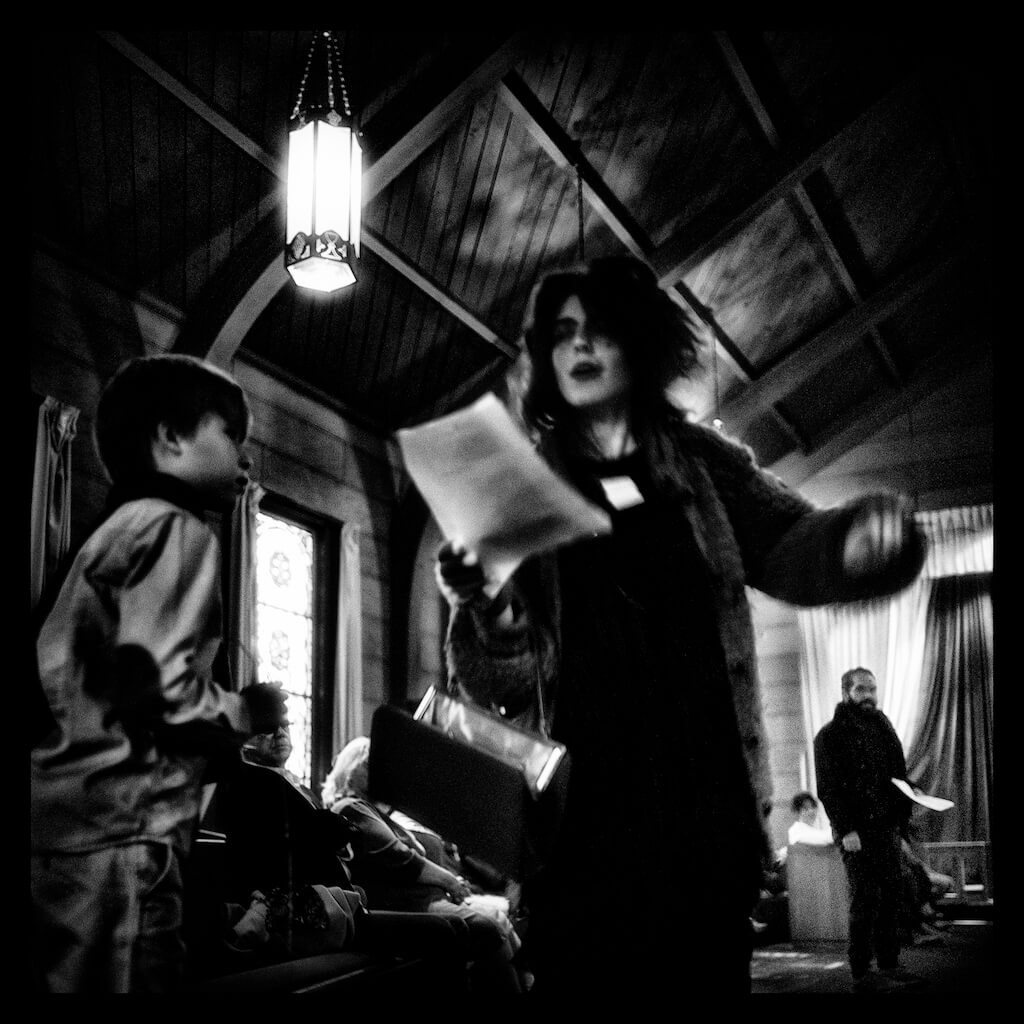
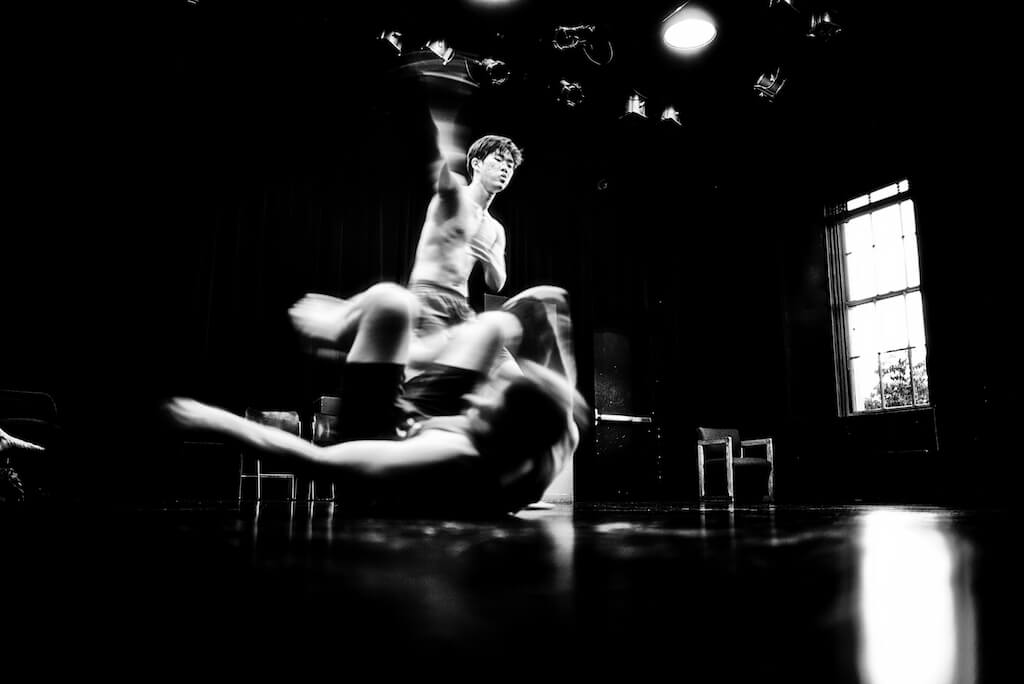
And the knowing is what destroys him, not the doing, because the doing had already happened years before and was just sitting there in the past waiting for him to catch up. I staged this play at Fort Mason Chapel a few years back, in a room with stone walls and acoustics that turned every line into an event. The chapel was right for it. The play is religious in the most uncomfortable sense, which is that it dramatizes what religious truth actually does to people when it arrives, which is destroy them.
The Greeks had this word. Anagnorisis. Recognition. The moment when everything clicks into horrible focus. Sophocles was the master of that gut-punch revelation. Not the cheap kind. Not the twist-ending bullshit you get from contemporary thrillers, the kind where the writer's been hiding the trick up his sleeve the whole time. The real thing. The kind that makes you reassess every single assumption you walked in with. The kind that retroactively rewrites everything you thought you'd been watching, that turns the play you saw in the first hour into a completely different play in retrospect, that makes you go back and read the script and find that all the clues were right there, hidden in plain sight, and you didn't see them because Sophocles knew exactly how to make you not see them.
Antigone isn't about some rebel girl making a political statement. Fuck that reading. It's about what happens when every law, human and divine, starts eating itself alive and nobody (nobody) walks away clean. Creon is right about civic order. Antigone is right about family obligation. The gods are right about burial rites. The state is right about traitor-corpses. And every single one of these rights, applied without bending, produces catastrophe. That's the move. The play is a machine for demonstrating that the most dangerous moral position is the one held without compromise… by anybody, for any reason, in any cause, no matter how just it sounds when you're saying it out loud to people who already agree with you. Sophocles knew this in 441 BC and we still haven't figured it out. We still send people to die for positions held without compromise. We still build catastrophes out of unimpeachable principles. Antigone is happening right now, somewhere, with different names.
Three playwrights competed every year at the festivals. Three. And Sophocles won something like twenty-four times across a sixty-year career. Twenty-four. He never came in third. He won or he placed. Every single time he competed, for six decades. You don't rack up that kind of score by playing it safe. You don't dominate the most competitive theatrical environment in human history by writing what the audience already wants. He innovated. Added a third actor, which sounds trivial until you realize it let him create actual conflict on stage instead of just narration, actual character against actual character instead of one figure speaking to a chorus while the chorus stood around being the chorus. He expanded the chorus from twelve to fifteen. He introduced painted scenery. He made the chorus secondary to the characters, which freed the characters to become characters in the modern sense rather than just mouthpieces for fate. He took the raw, sprawling myth-tradition of Greece and carved it down to its bleeding essentials. He stripped away everything that wasn't load-bearing. He made tragedy do what tragedy actually does, which is to demonstrate, with the maximum possible economy, what happens to humans when their assumptions encounter reality.
Here's what fucking kills me. We've lost most of his work. Seven complete plays out of roughly 120. Seven. The math is brutal. We have less than six percent of what Sophocles wrote. Six percent. The rest are fragments. Tereus, the play about the rape of Philomela and her transformation into the nightingale, gone except for fragments and the haunting outline of what it must have been. Niobe, the play about the mother whose fourteen children are slaughtered by Apollo and Artemis as punishment for her pride, no more. Polyxena. Tyro. Inachus. Andromeda. Gone. What we have is occasional lines preserved in grammarians' textbooks because some scholar needed an example of an unusual Greek verb form. What we have is the seven plays that the Byzantine schoolteachers thought were worth copying and recopying through the centuries until printing was invented and the texts became stable.
Seven plays. Seven. That's all that’s left.
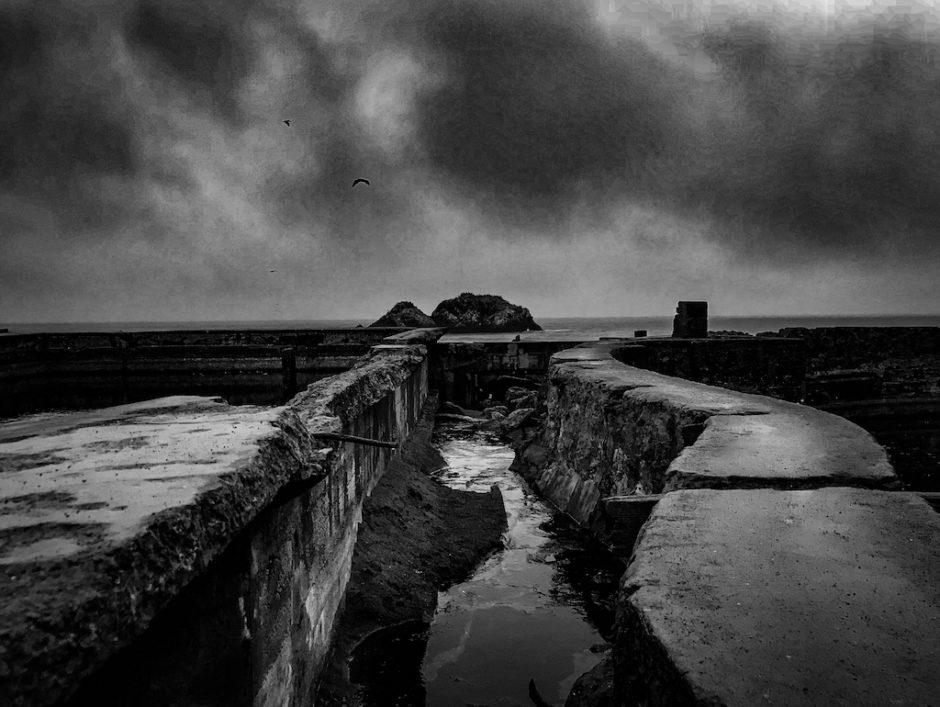
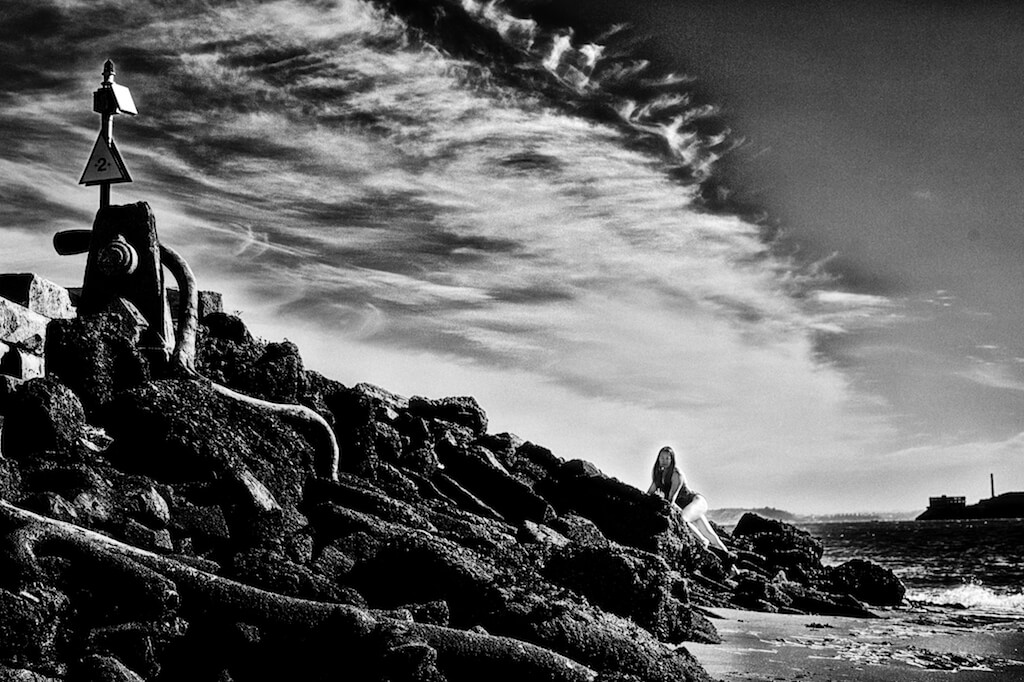
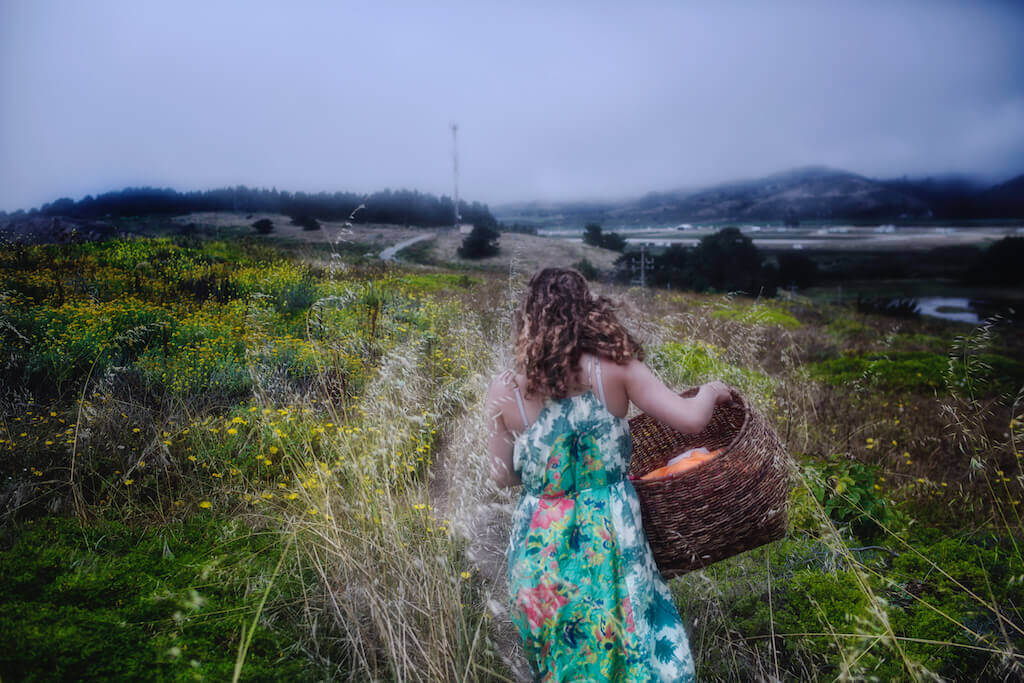
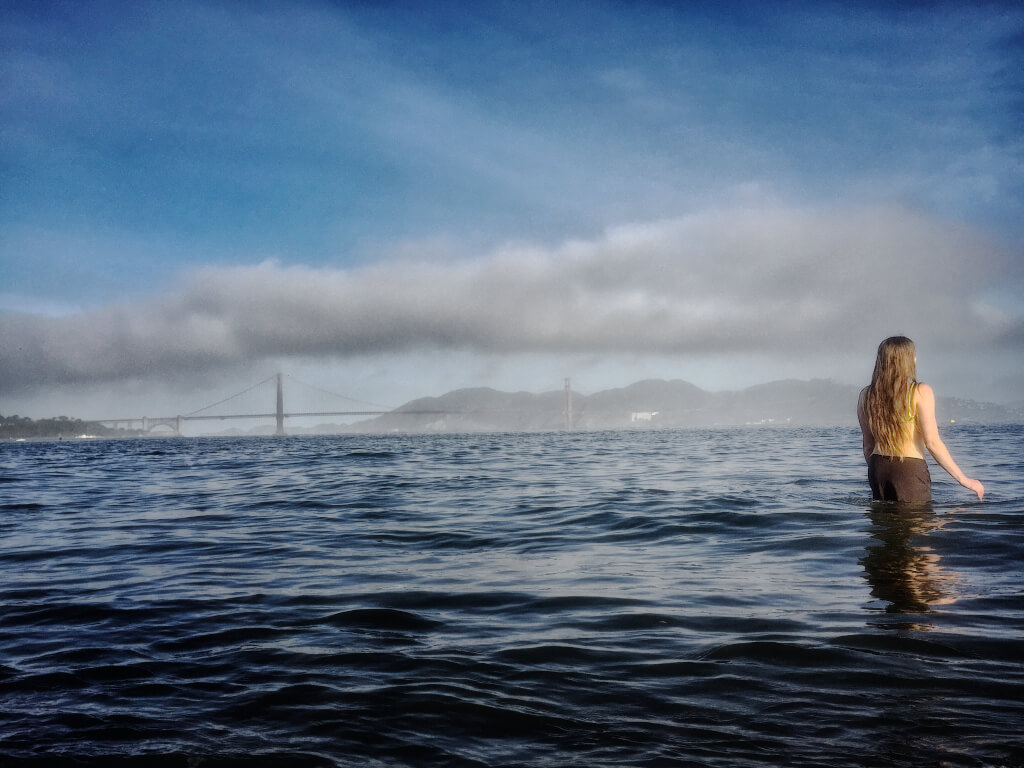
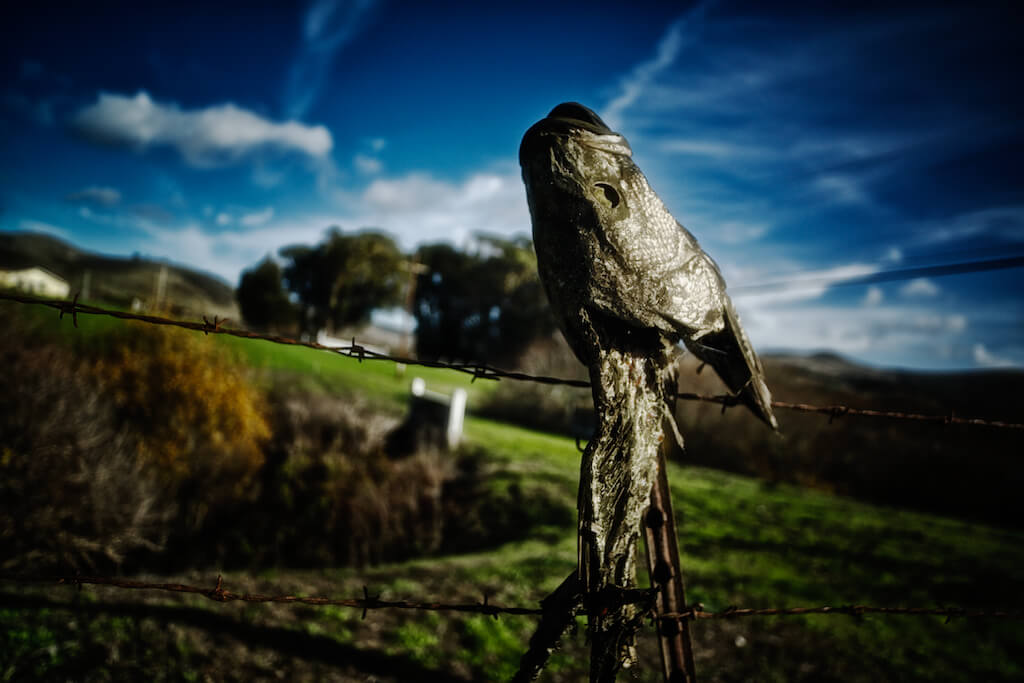
Here's what I've been doing about it. Working with the fragments. Staging them. Taking the scattered lines that survived because some grammarian needed an example and asking what the lines might become when bodies in space try to carry them. The Laocoön at BAMPFA, the Trojan priest whose warning about the wooden horse went unheeded, staged in a museum where the visual-art tradition that immortalized his agony surrounded the performance. Nausicaä at Pillar Point, the Phaeacian princess from the lost Nausicaa play, staged at a beach where the encounter with the shipwrecked stranger could happen on actual sand near actual water. Sinon at Emeryville Mudflats, the Greek deceiver who convinced Troy to bring the horse inside, staged in the contested intertidal zone where industry and nature have been negotiating for a century. Speechless Fish at San Gregorio, built around an unattributed fragment, just a few lines that survived without their play attached, the way an ancient bone survives without its body. Cloud Talk, built from fragment 137, another scattered line treated as the seed of a whole performance. In Time of Need, another fragment-piece, another line floated free of its play and asked what it wanted to become.
This is what the fragments do when you stop reading them as scholarly footnotes and start treating them as living theater. They want to be performed. They want bodies and voices and rooms. They want specific places that will read the fragment through the place, places that will make the few surviving lines do work the lines couldn't do on their own. The Mediterranean was a coast. The Bay Area is a coast. The mudflats and the beaches and the chapels and the museums all contain something the original theater contained, which is the civic-ritual seriousness of a community gathering to look at itself in the mirror of a story it half-remembers. The fragments don't survive just as text. The fragments survive as invitations. Stage me, they say. Let me happen again, somewhere, even if just once, even if just for the few people who show up. The few people who showed up at Pillar Point. The few people who showed up at Fort Mason. The few people who showed up at the Emeryville Mudflats with the wind off the bay and the industrial wreckage in the background and the words of Sinon coming out of an actor's mouth, two and a half thousand years after Sophocles wrote them and somebody copied them and somebody else quoted them and the rest of the play disappeared forever.
That's Sophocles. The seven plays. The hundred-thirteen fragments. The twenty-four wins. The third actor. The painted scenery. The sixty-year career writing for a civilization that has been gone for two thousand years and that still keeps showing up in his work, still naming what we still won't admit, about ourselves, about how we destroy ourselves with our own determination to know. The fragments still asking to be staged. The Bay Area coast standing in for the Aegean. The few people who show up. The work continuing.
The Fragment For … shines out in time of need like fine bronze; but if the house is neglected, it collapses. California doesn’t get summer storms. Not real ones. The state runs on a different weather pattern, a different logic. Dry summers, wet winters, and nine months of the year where rain is something you […]
On the evening of March 9th, 2020, right before the world went to absolute shit, we’re doing something that has no business being as cool as it was. We staged a fragment of Sophocles‘ Laocoön at the Berkeley Art Museum. Berkeley. My first memories are from these streets, this place. Coming back here to do […]
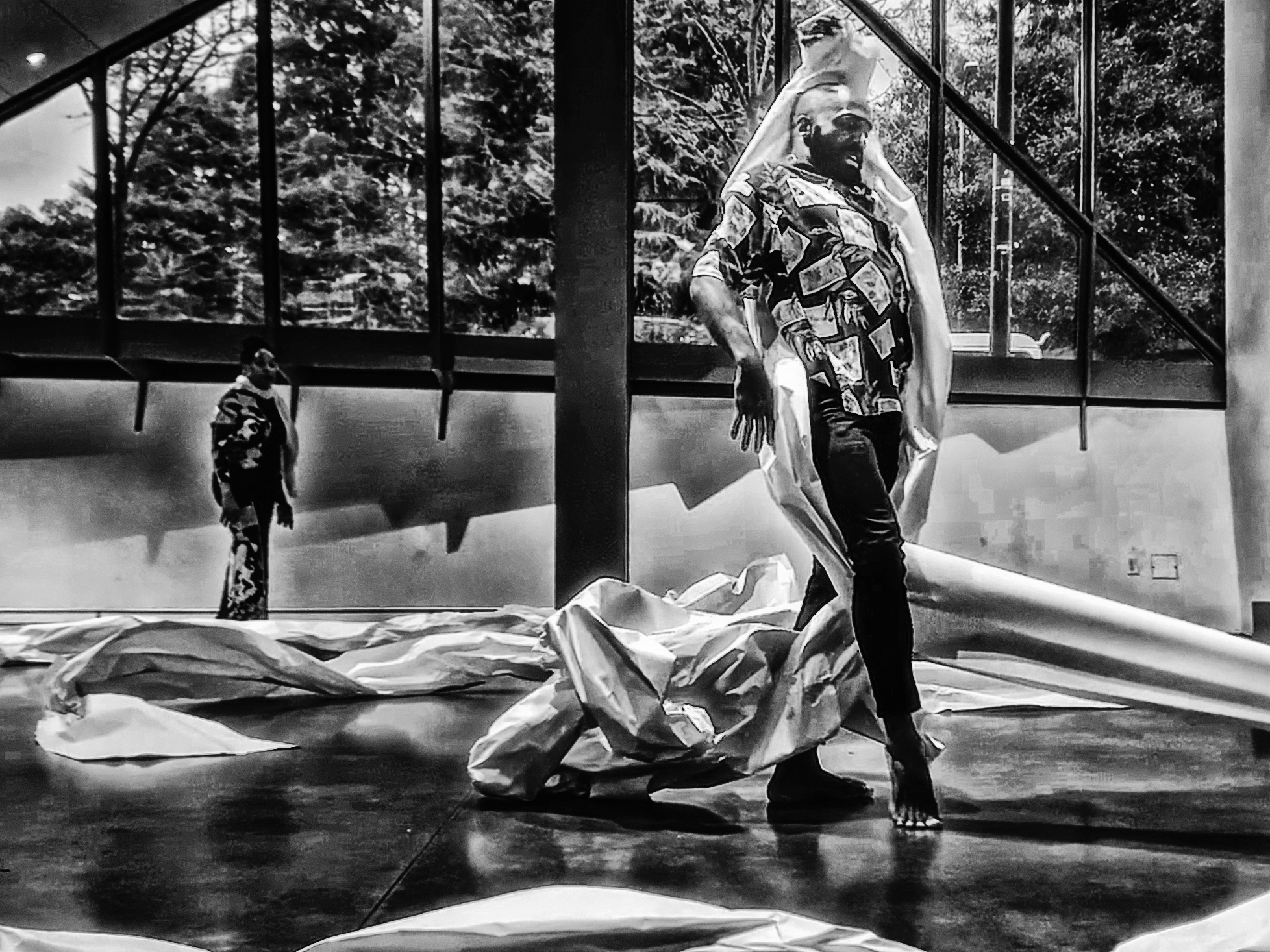
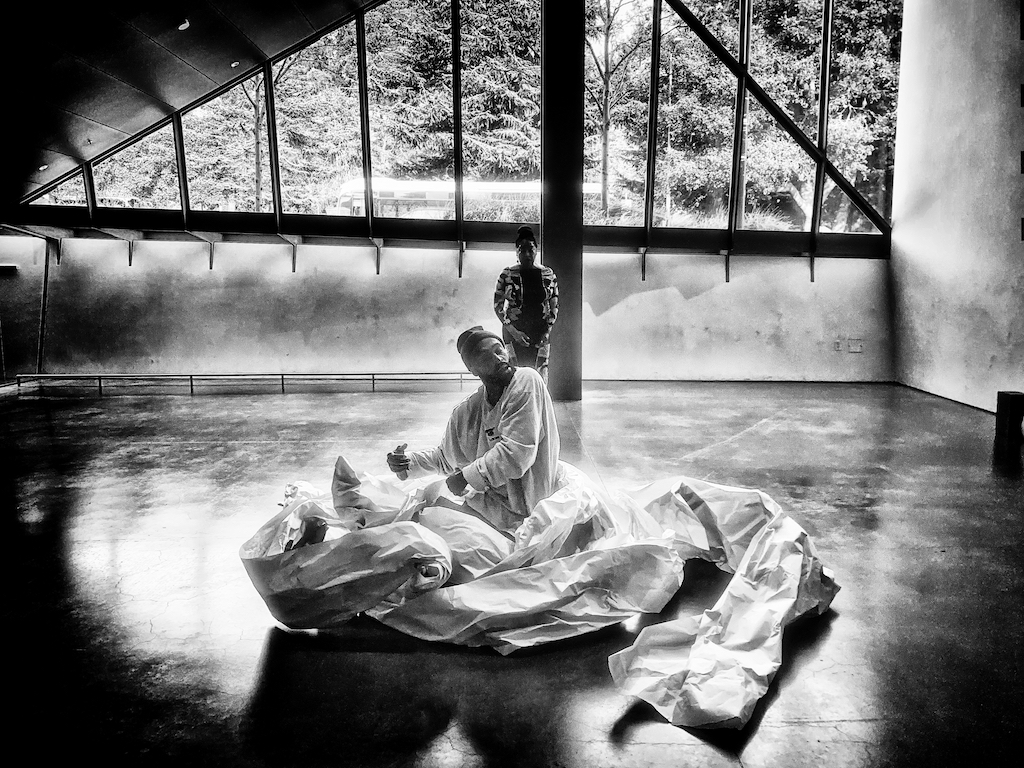
What we’ve got here is me hauling a fragment of a lost Sophocles tragedy into BAMPFA like I’m smuggling contraband across time itself, rehearsing in the actual space where this thing’s going to live or die. Babatunji’s wrestling with Laocoon, not the marble version sitting in the Ufizzi, the breathing, screaming one, while Aleta’s working […]
The Fragment he blows no longer on small pipes, but with savage blasts, without a mouthpiece. Three lines of Sophocles, three lousy lines that survived when 96 percent of his work got swallowed by time. This fragment doesn’t want to be understood. It wants to be encountered. So I picked the Wave Organ, this broken-ass […]
John Warren Travis’ Design for Oedipus Rag There’s something absolutely primal, something that cuts through all the academic horseshit, about staging Sophocles in a chapel at Fort Mason. I’ve seen Greek tragedy done in every godforsaken venue from The Ancient Theatre of Epidaurus to prosceniums that smell like 1950s cigarettes to black box theaters where […]
Oedipus and Tiresias (Nathaniel Justiniano and Tonyanna Borkovi) rehearsing for a site specific staged reading of Anthony Burgess’ adaptation of Sophocles’ Oedipus The King to be performed in the Fort Mason Chapel for the San Francisco International Art Festival and produced by the Museum of Performance and Design Oedipus and Tiresias walk into a Japantown […]
July 10th, 2016. 1:08 in the afternoon. Pillar Point. Seventy two degrees, California sun beating down, the beach looking out at Mavericks, that legendary, bone crushing surf break where waves rise up like mountains and gods go to die, and we’re about to do something beautifully, almost stupidly ambitious: perform what’s left of a play […]
rehearsing Sophocles Nausicäa in Stanford TAPS Prosser Studio Poseidon god of the earthquake launched a colossal wave, terrible, murderous, arching over him, pounding down on him, hard as a windstorm blasting piles of dry parched chaff, scattering flying husks… The Odyssey, Robert Fagles trans.
Speculation: Rehearsing Sophocles #116. Fantastic rehearsal/experimentation/playing/imagining with amazing people at sunrise under a full moon… for Sophocles Savage Blasts. Here’s what the photographs don’t tell you: it’s cold as hell out there at the Wave Organ at dawn. The bay doesn’t care about your artistic intentions. The concrete under your feet is unforgiving, and the […]
Speechless Fish, I call it. Informally. Because sometimes the informal is all you’ve got when you’re dealing with theatrical ghosts that ancient, scraps of text that survived fires, floods, the general amnesia of civilization. This is part of something bigger, something I’m calling IOTA, which sounds either pretentious as hell or like the most honest […]
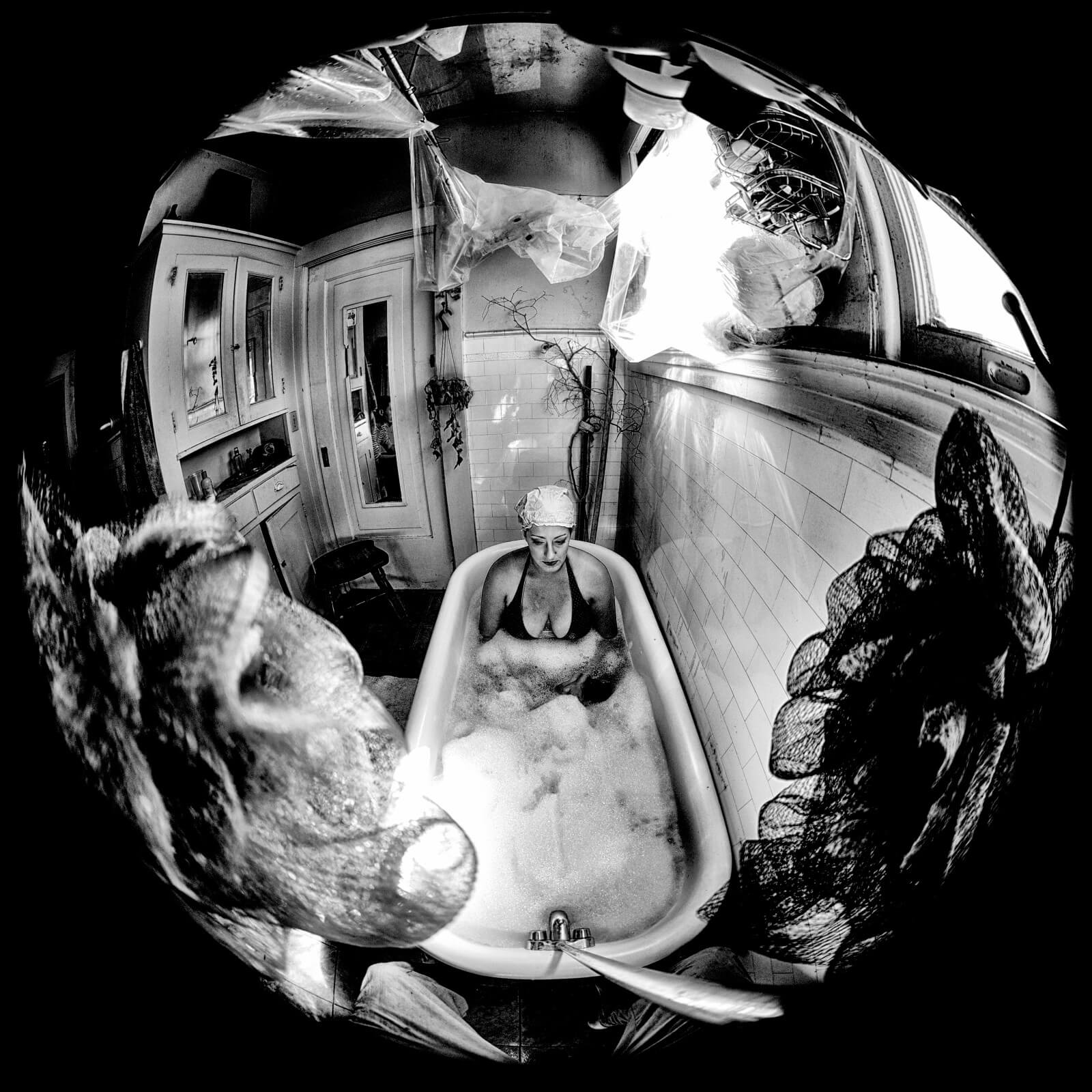
Three of us got together one October night and decided to fuck with Sophocles in a bathtub… spiritually, archaeologically, perversely. Rebecca Ormiston, Ryan Tacata, and I took one measly line from a dead Greek’s lost play and turned it into something called Cloud Talk for this outfit we hoped would be called Artist Weather TV, […]