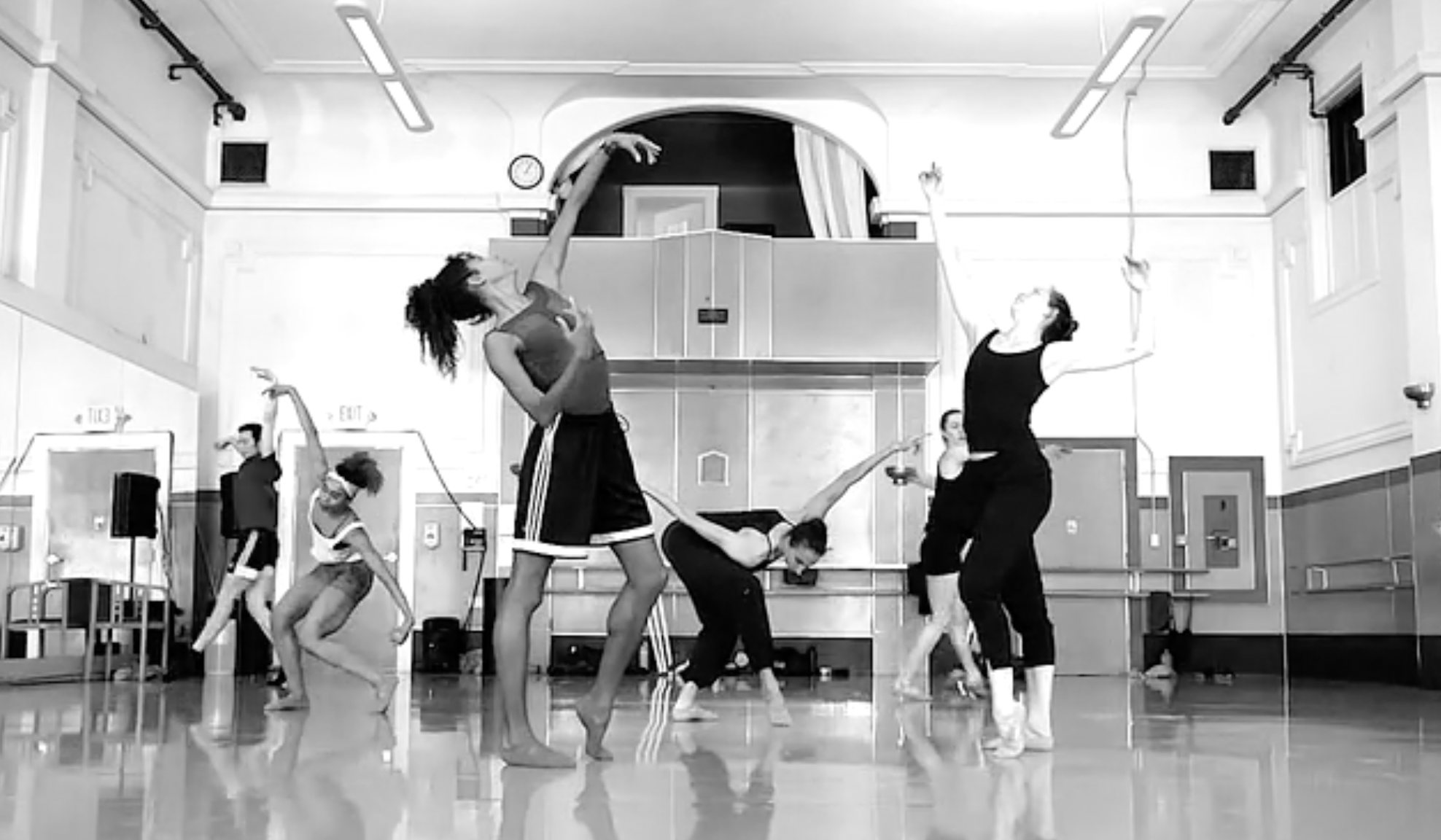
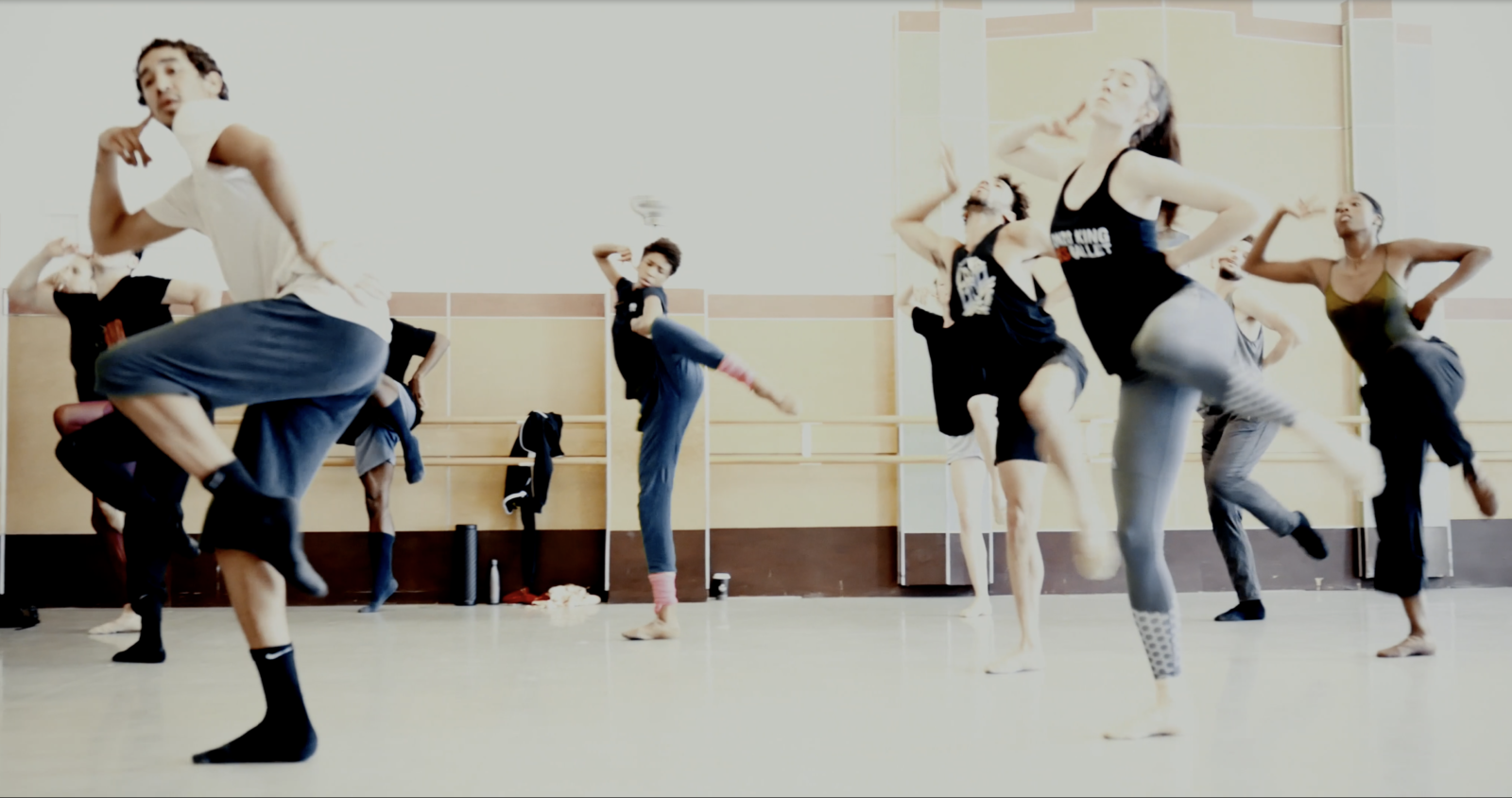
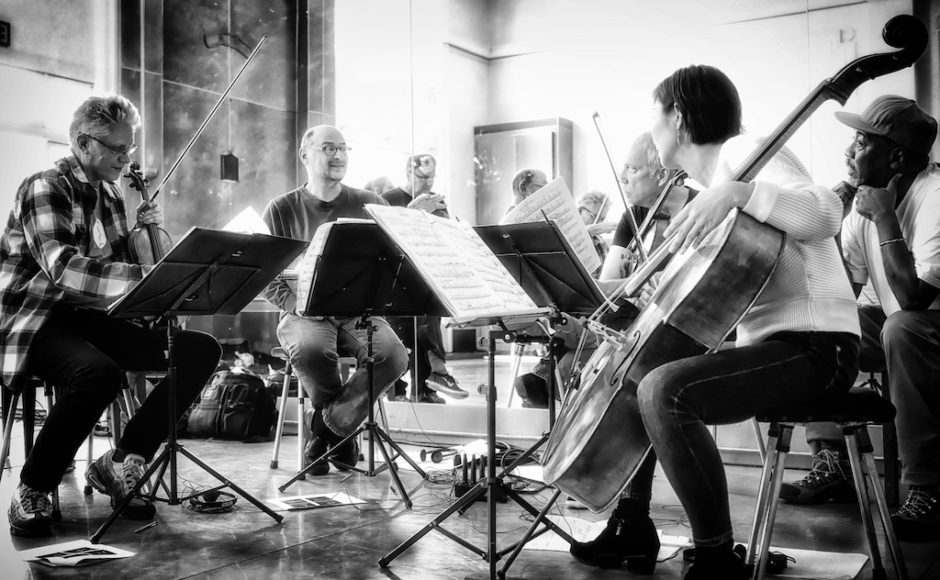
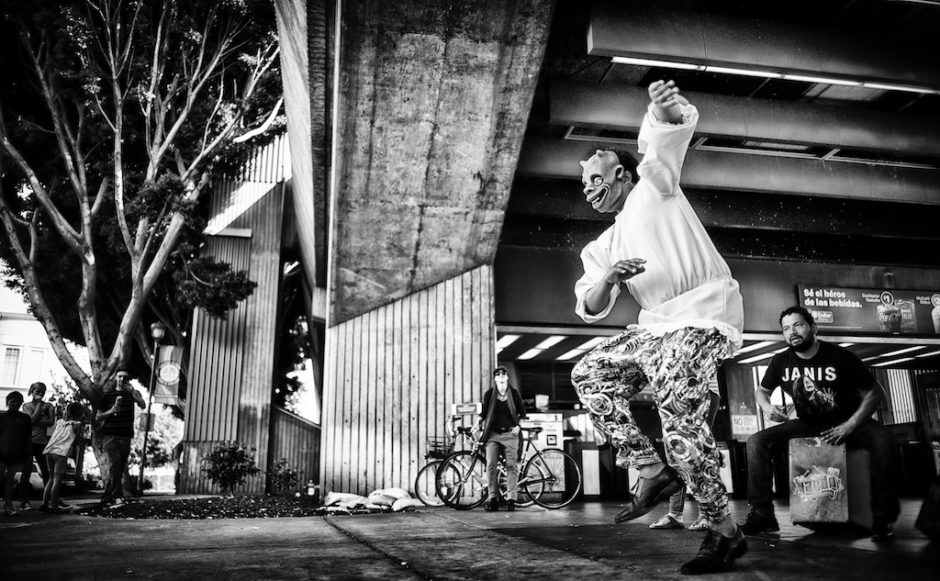
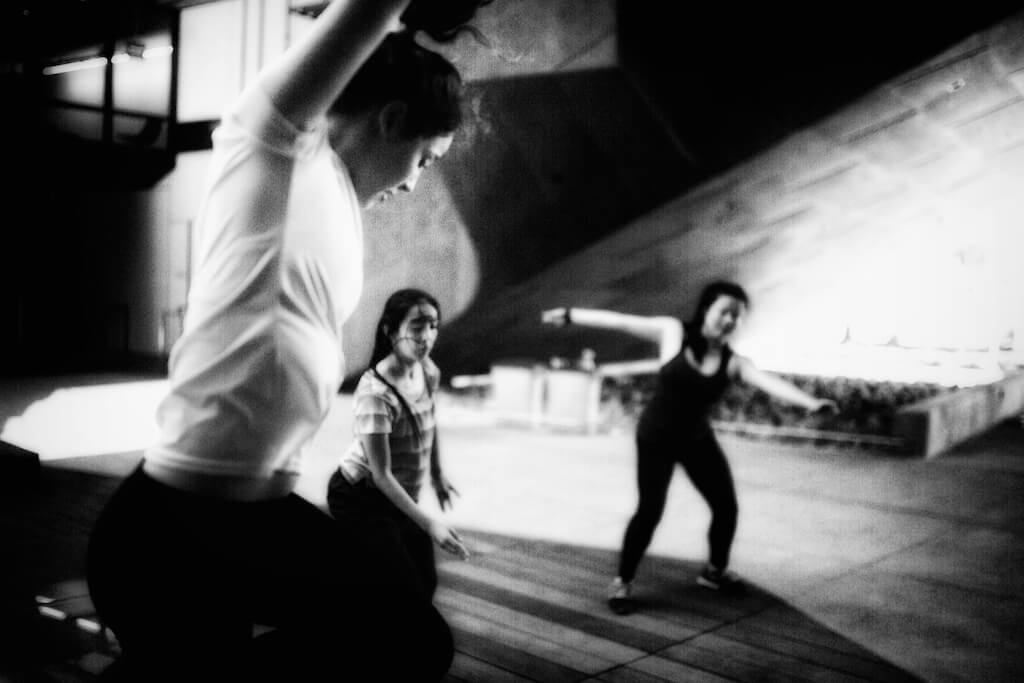
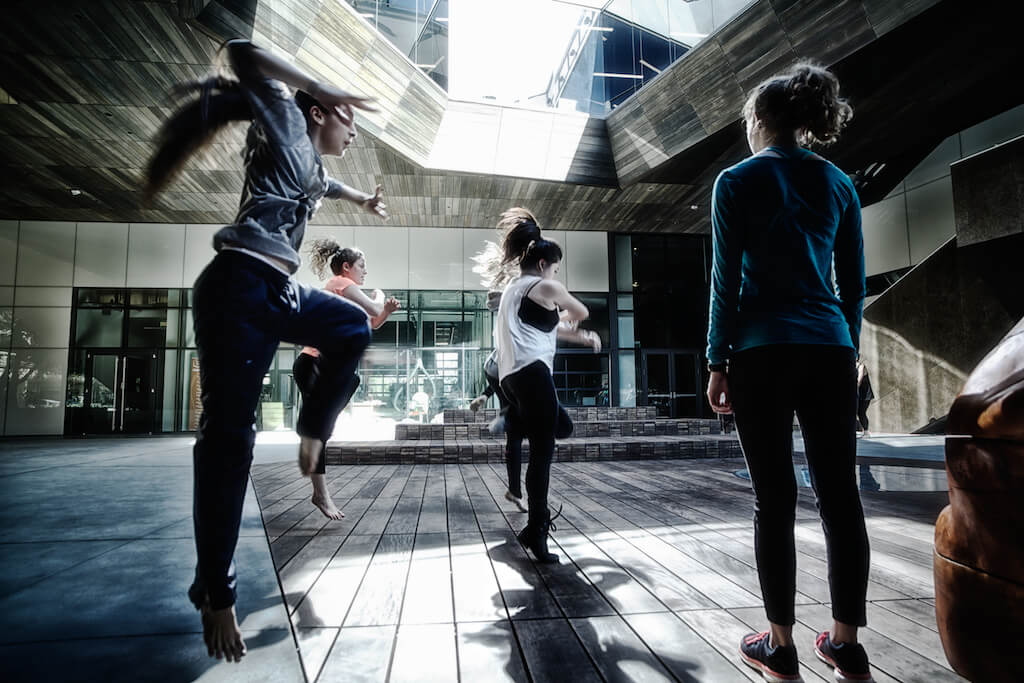
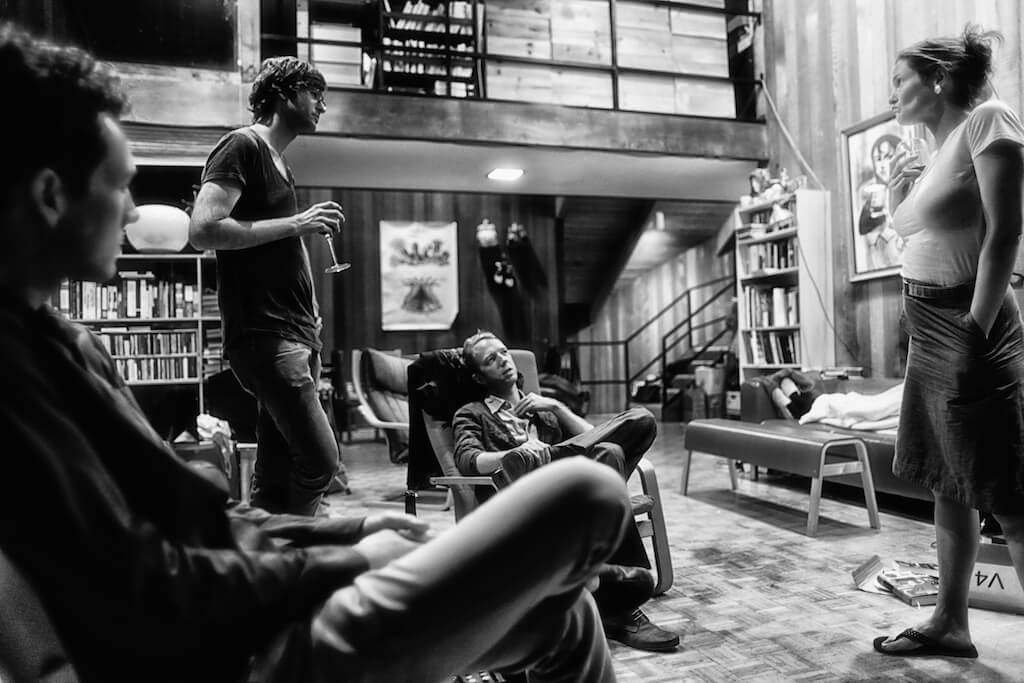
Theater Rehearsal, Dance Rehearsal, Ballet Rehearsal... it is where the bullshit artists get exposed.
I spent years with Mabou Mines Lee Breuer. Years. Touring with him on productions like Gospel at Colonus, watching him rehearse Peter and Wendy, sitting through the rebuilding of Hajj. You want to know what separates professional theater from the pretenders? Lee fucking Breuer in a rehearsal room.
Lee didn't coddle. He didn't "explore." He dug into the back of your brain until he found the thing you're ashamed of, the secret you keep hidden, and he yanked it out and put it center stage. That's the work. And if you can't handle it, get the fuck out.
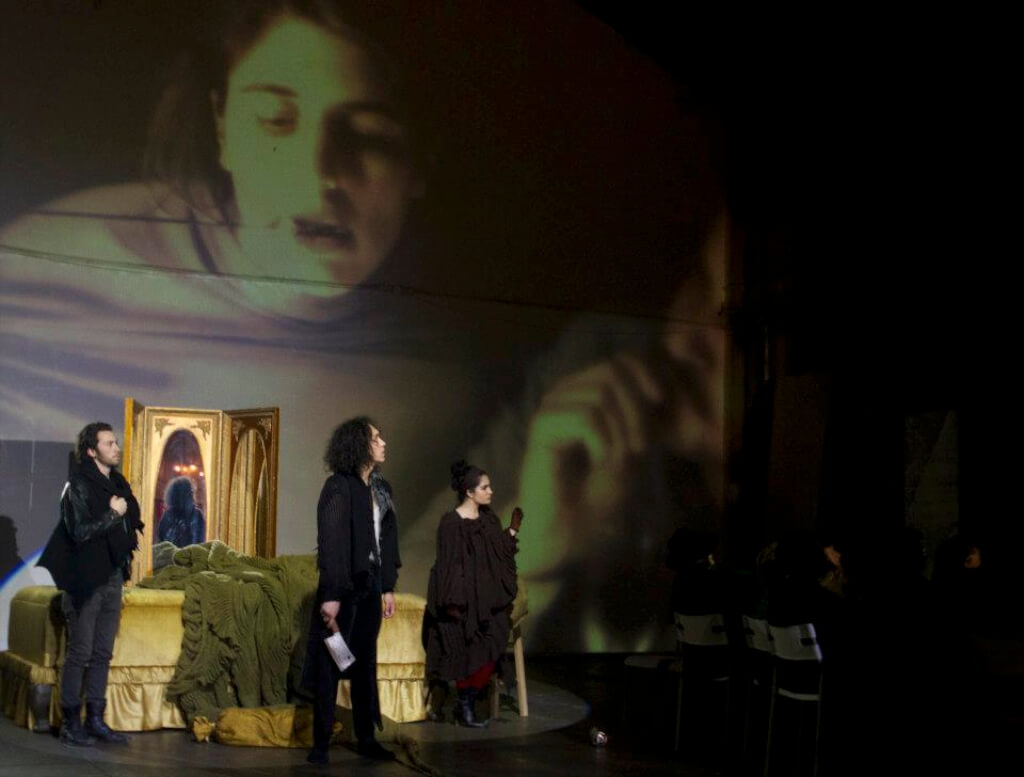
I watched Ruth Maleczech rehearse Hajj... this epic solo piece Lee wrote for her, all mirrors and video and cutting-edge technology that looked like witchcraft in the '80s. She sat at that vanity table night after night, applying makeup, performing this meditation on identity and self that would make most actors weep. No breaks. No "I'm not feeling it today." Just work. Relentless, disciplined, terrifying work.
Gospel at Colonus... Sophocles reimagined through Pentecostal service, the Blind Boys of Alabama channeling Greek tragedy through gospel. I toured that thing for years. You think Broadway is hard? Try taking a production with a dozen singers, a full choir on the road, city after city, keeping it tight, keeping it honest, keeping it from becoming just another "important" theater piece that means nothing.
Lee Breuer knew. The Blind Boys of Alabama knew. Every person in that company understood that half-assing it wasn't an option. You showed up ready or you got left behind.
Then there's Peter and Wendy, Bunraku puppets, Celtic music, Karen Kandel voicing every single character. You watch Kandel in rehearsal and you understand what "craft" actually means. She's not playing dress-up. She's not "finding her voice." She's working, precise, technical, uncompromising. Lee Breuer demands it. The material demands it. And Kandel delivers because she's a fucking professional.
Compare that to Stanford. Student productions. Kids who've never suffered trying to understand Sophocles. Rich children who think theater is about self-expression, about "finding themselves." Most of them are useless. They stop rehearsal for water breaks. They need to "process their emotions." They want to discuss their fucking motivation instead of just doing the work.
Every once in a while, maybe one in twenty, you get a kid who gets it. Who shows up early, stays late, treats some nobody student production like it's the National Theatre. That kid has the same hunger Lee Breuer's actors have. That's the one worth watching. The rest are just filling space until they graduate and go ruin the world in tech.
I've also been in rooms with Anna Deavere Smith at the Mark Taper Forum, watching her rehearse Twilight: Los Angeles, 1992. Smith spent years interviewing people who watched their city burn, then turned herself into a human archive, embodying three dozen voices with surgical precision. That's professional theater. That's someone who knows exactly what she's doing and doesn't waste a single second.
Here's what I learned from Lee Breuer, from Anna Deavere Smith, from watching LINES Ballet dancers repeat the same eight-count for three hours: rehearsal is the only place where the work matters more than the result. Performance is for the audience, their applause, their reviews, their social media posts. Rehearsal is where you actually do the thing. Where you fail. Where you eat shit in front of everyone and then get up and try again because that's the job.
You can fake your way through a performance. Charm, good looks, dumb luck, it'll get you through one show. But rehearsal? Rehearsal exposes you. It shows everyone exactly who you are: someone who does the work or someone who just showed up for their résumé.
I've worked on Mabou Mines productions that won Obies, that changed American theater. And I've worked with Stanford kids stumbling through the same material. The difference isn't talent. It isn't even skill. It's hunger. It's discipline. It's understanding that nobody owes you shit and the only thing that matters is whether you're willing to put in the work.
That's why I love rehearsals. Not the performances. Performances are makeup and lights and applause. Rehearsals are where you see the truth. Where people either show up or they don't.
And most people don't.
rehearsal (n.)
late 14c., "restatement, repetition of the words of another," from rehearse + -al, or from Old French
rehearsal "a repeating."
c. 1300, "to give an account of," from Anglo-French
rehearser, Old French
rehercier (12c.) "to go over again, repeat," literally "to rake over, turn over" (soil, ground), from re- "again" + hercier "to drag, trail (on the ground), be dragged along the ground; rake, harrow (land); rip, tear, wound; repeat, rehearse;" from
herse "a harrow". Meaning "to say over again, repeat what has already been said or written" is from mid-14c. in English. late 14c., "restatement, repetition of the words of another," from rehearse + -al, or from Old French
rehearsal "a repeating." Sense of "practice a play, part, etc." is from 1570s. Sense in theater and music, "act of rehearsing," is from 1570s. Pre-wedding rehearsal dinner attested by 1953.
We cannot recall our dreams, they cannot come back to us. If a dream comes – but what sort of coming is a dream's? Through what night does it make its way? If it comes to us, it does so only by way of forgetfulness, a forgetfulness which is not only censorship or simply repression. We dream without memory, in such a way that the dream of any particular night is no doubt a fragment of a response to an immemorial dying, barred by desire’s repetitiousness.
There is no stop, there is no interval between dreaming and waking. In this sense, it is possible to say: never, dreamer, can you awake (nor, for that matter, are you able to be addressed thus, summoned).
The dream is without end, waking is without beginning; neither one nor the other ever reaches itself. Only dialectical language relates them to each other in view of a truth.
Maurice Blanchot