There are moments in childhood that brand themselves onto your consciousness, not with the gentle warmth of nostalgia, but with the full-force impact of lived truth. Mine involved a man whose wife had left him, a mounted deer head, the Golden Gate Bridge, and the first time I ever put my hands on a steering wheel.
I was eight years old.
He was my mother's friend from Wiscasset, Maine, one of those hard, beautiful coastal towns where winter means something and people still fix their own boats. The kind of place where a man might mount a deer head and think it's a perfectly reasonable thing to drive three thousand miles to deliver to his ex-wife. Because what else are you going to do when your marriage collapses? You get in the car she left behind. You load up that trophy buck she probably always hated. And you drive west until you run out of continent.
I don't remember his name. Isn't that something? This man who gave me one of the purest moments of my young life, and I can't tell you what to call him. But I remember everything else.
The smell of that car, someone else's life, someone else's failure, leather seats and stale coffee and something indefinable that was probably just sadness. My father and brother in another car, following us like a funeral procession for a marriage. And in the back, the deer: glass-eyed, magnificent, absurd, watching us with that permanent expression of surprised nobility that only the taxidermied can achieve.
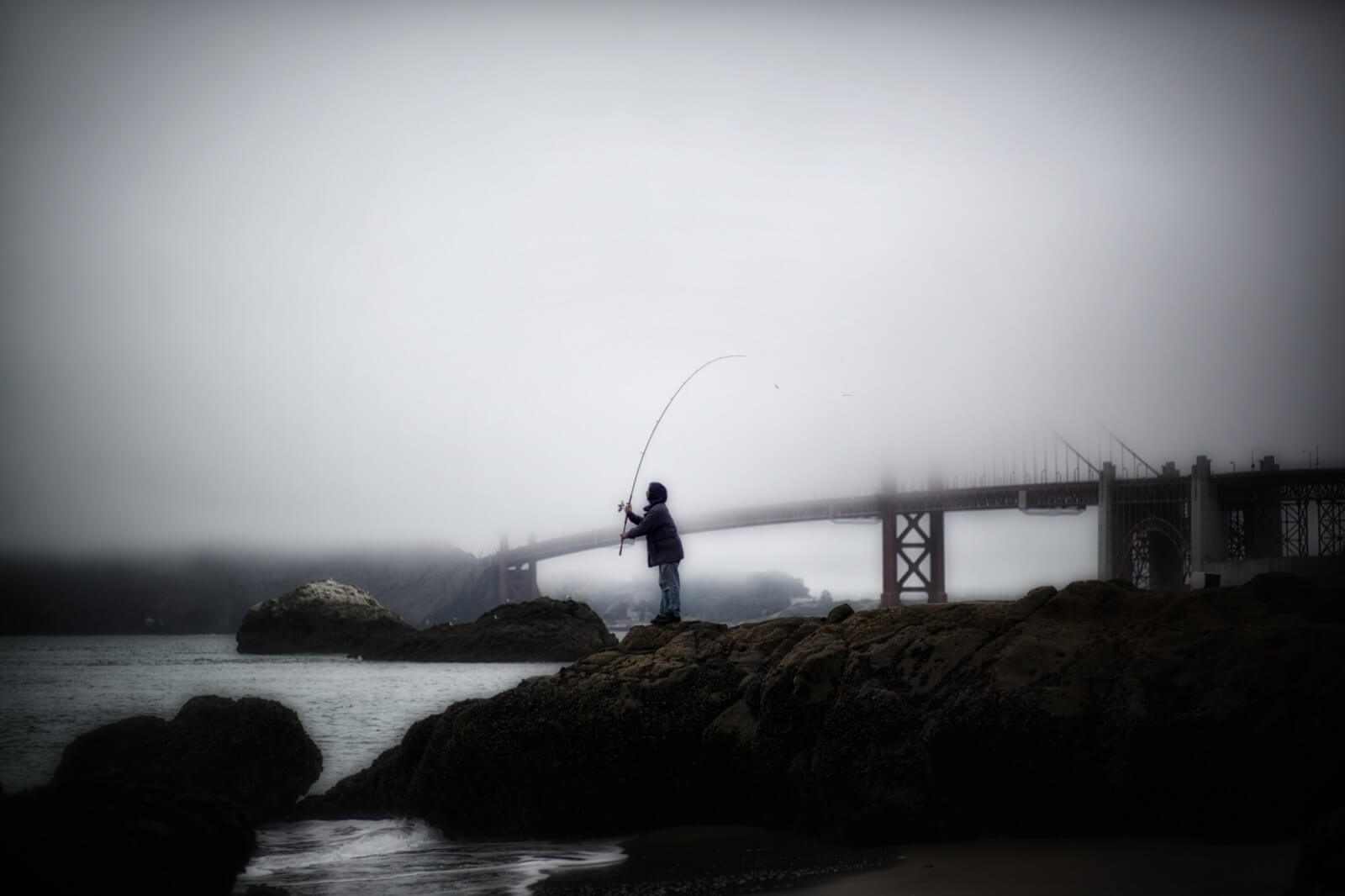
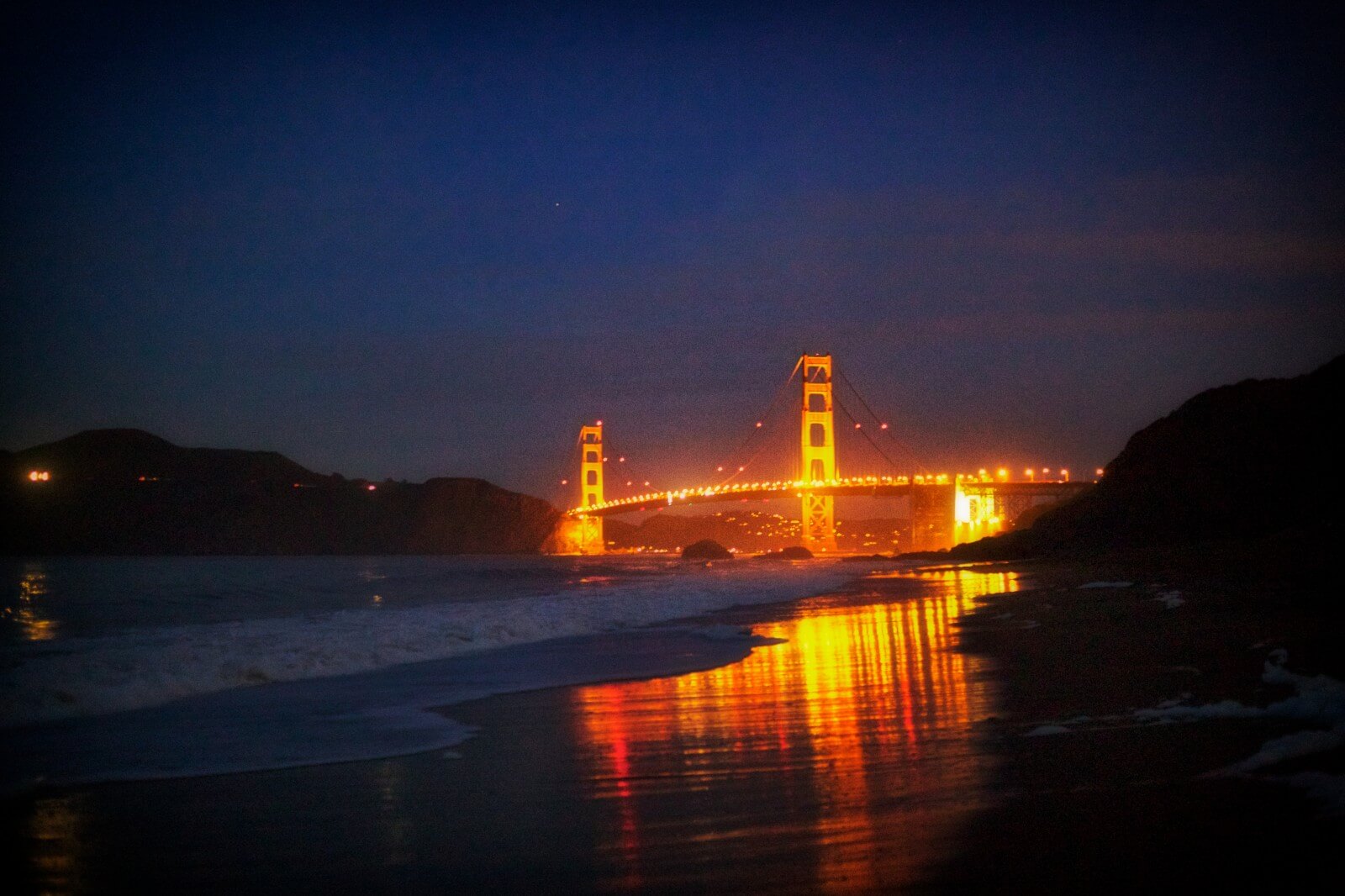
We drove north from Palo Alto, up 280, on to 19th, and then there it was. The Golden Gate Bridge.
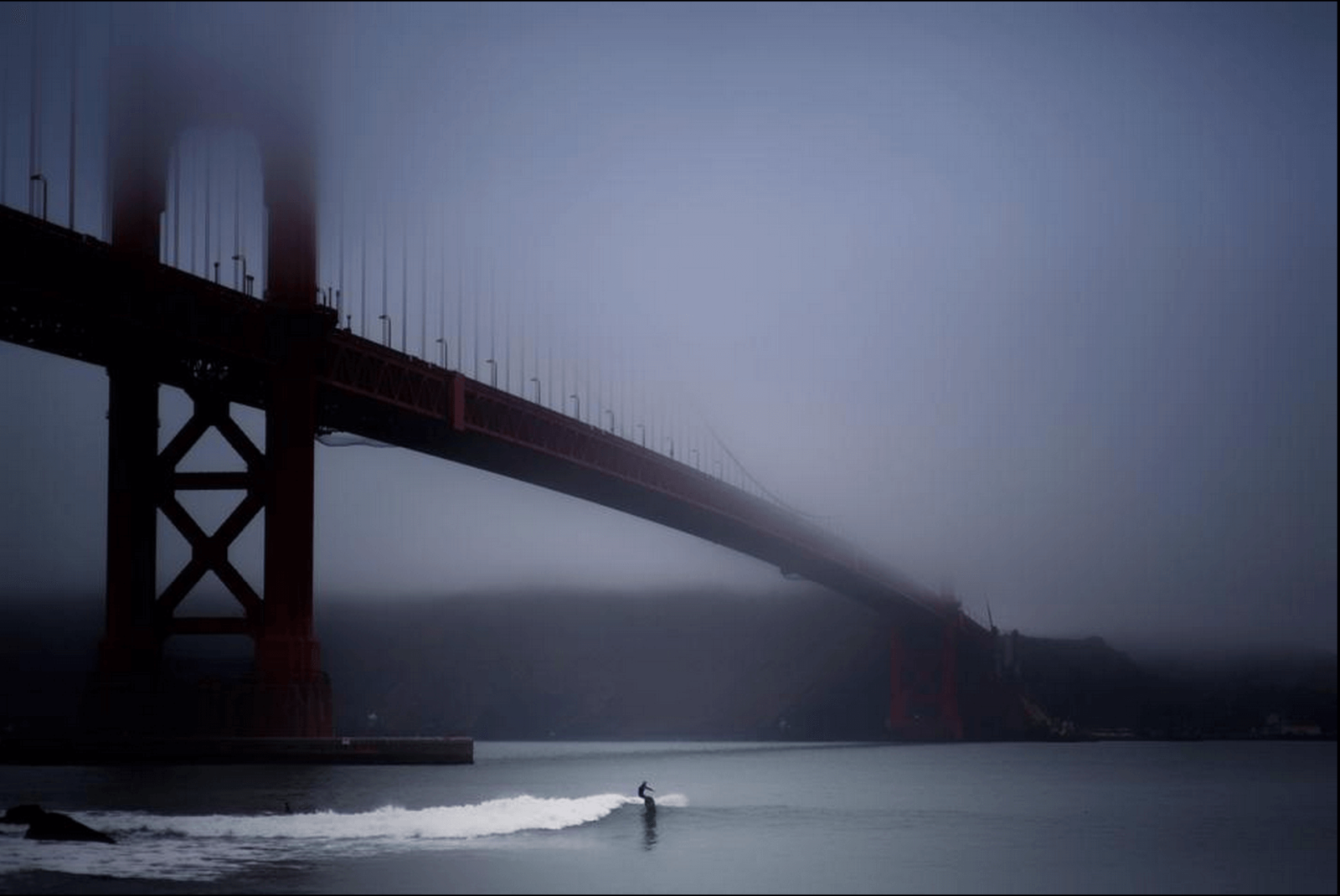
The bridge is still mythical. It is a symbol of something, escape, possibility, the edge of America where the dreaming happens.
And this heartbroken man from Maine, this stranger ferrying the artifacts of his dissolved life to a woman in Sausalito, he pulled over.
"Big day," he said. Or something like it. The exact words don't matter. What matters is what happened next.
He let me drive.
An eight-year-old. On the Golden Gate Bridge. In 1975, before helicopter parenting and litigation terror and the absolute certainty that every childhood risk was a catastrophe waiting to happen. He just... let me drive.
I can still feel it, the too-large steering wheel in my small hands, the weight of the car, the impossible geometry of staying between the lines. The wind coming off the Pacific. The orange towers rising like something out of a fever dream. And behind us, that deer head, bouncing slightly with every adjustment of the wheel, its dead eyes seeing what I was seeing: the bay, the boats, the city, the impossible beauty of it all.
We made it to the vista point. Because sometimes grace exists, even in the midst of human wreckage. Sometimes a man whose life is falling apart gives a kid an illegal, ill-advised, utterly perfect moment of freedom.
I don't know what happened to him after that. I assume he handed over the car keys and the deer head, got on a plane, and flew back to Maine to start the long work of becoming someone new. I don't know if his ex-wife hung that deer head in her Sausalito house or immediately threw it into the bay. I don't know if she laughed or cried or felt anything at all.
But I know this: somewhere in the catalog of American heartbreak and absurdity and unexpected kindness, there's a man, a boy, and a deer head crossing the Golden Gate Bridge. There's the moment before everything became safe and supervised and sane. There's the gift of trust from a stranger, the gift of the wheel, the gift of that first understanding that sometimes you just point yourself west and see what happens.
The bridge is still there. The vista point too. But that version of America, the one where a broken man lets a kid drive his ex-wife's car across one of the world's engineering marvels while a dead deer watches from the backseat. I'm not sure that exists anymore.
Maybe it never did.