The thing about Brecht is he understood that art without teeth is just decoration for someone's fucking living room. He wasn't interested in your comfort. He wanted to grab you by the throat and shake you awake in the middle of whatever bourgeois dream you were having about how the world works.
Here's this German bastard, chain-smoking, writing plays in exile while the Nazis wanted him dead, and he's thinking, "Yeah, sure, Aristotle, great guy, but what if we stopped lying to people?" Because that's what traditional theater was, right? A lie. Sit down, turn off your brain, feel some feelings, cry a little, go home unchanged. Catharsis as anesthesia. Brecht looked at that whole machinery and said fuck your empathy, I want your brain ON, not off.
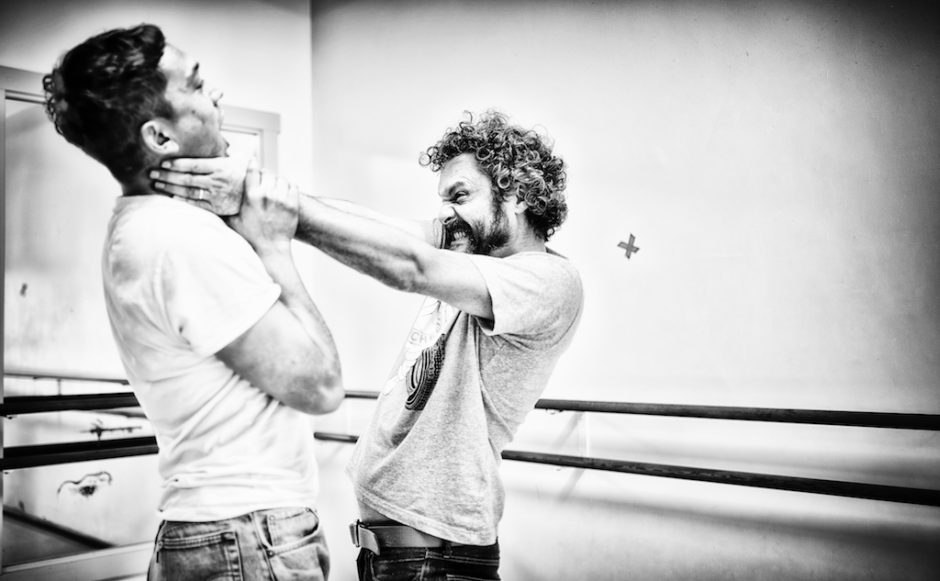
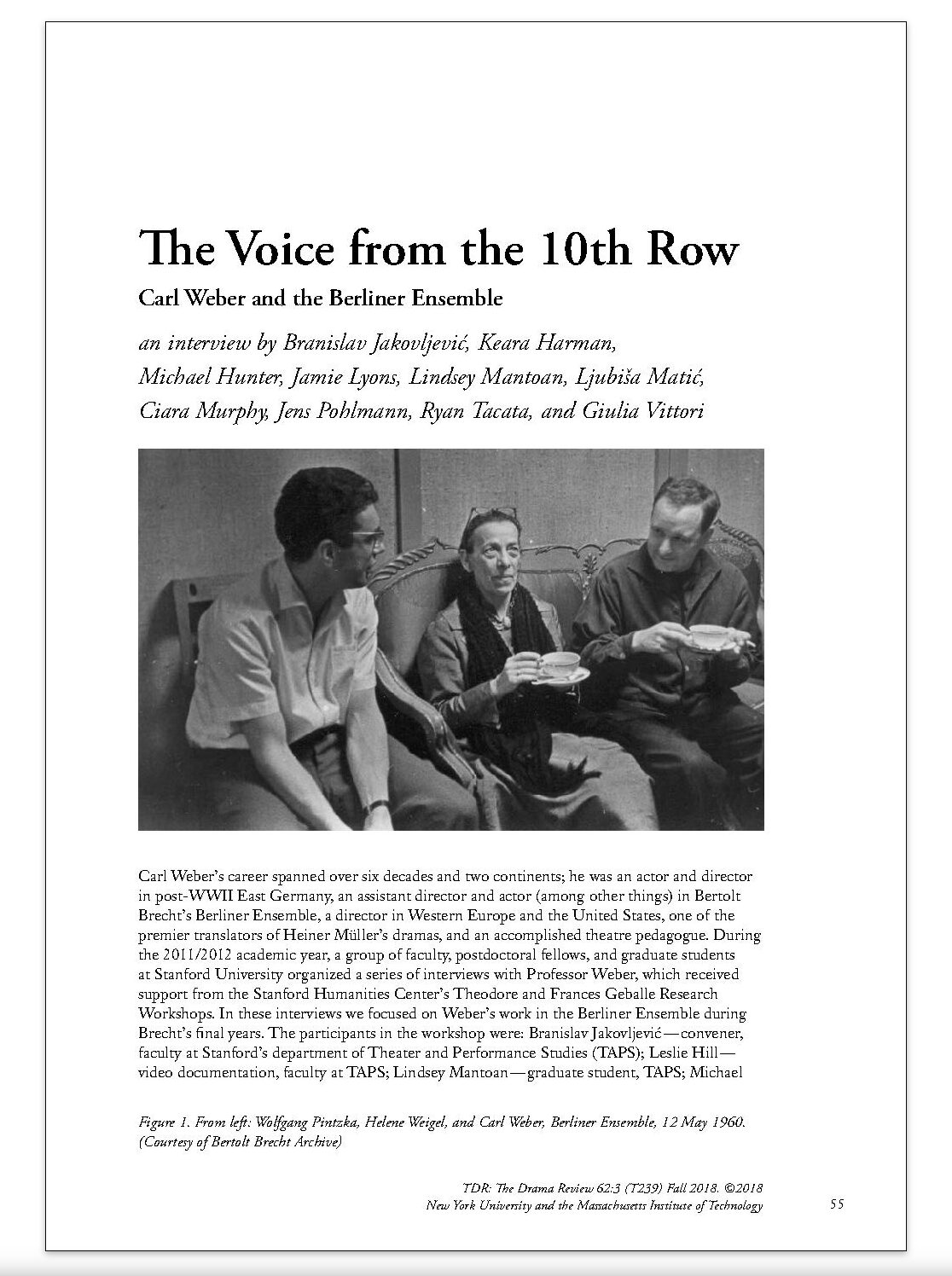
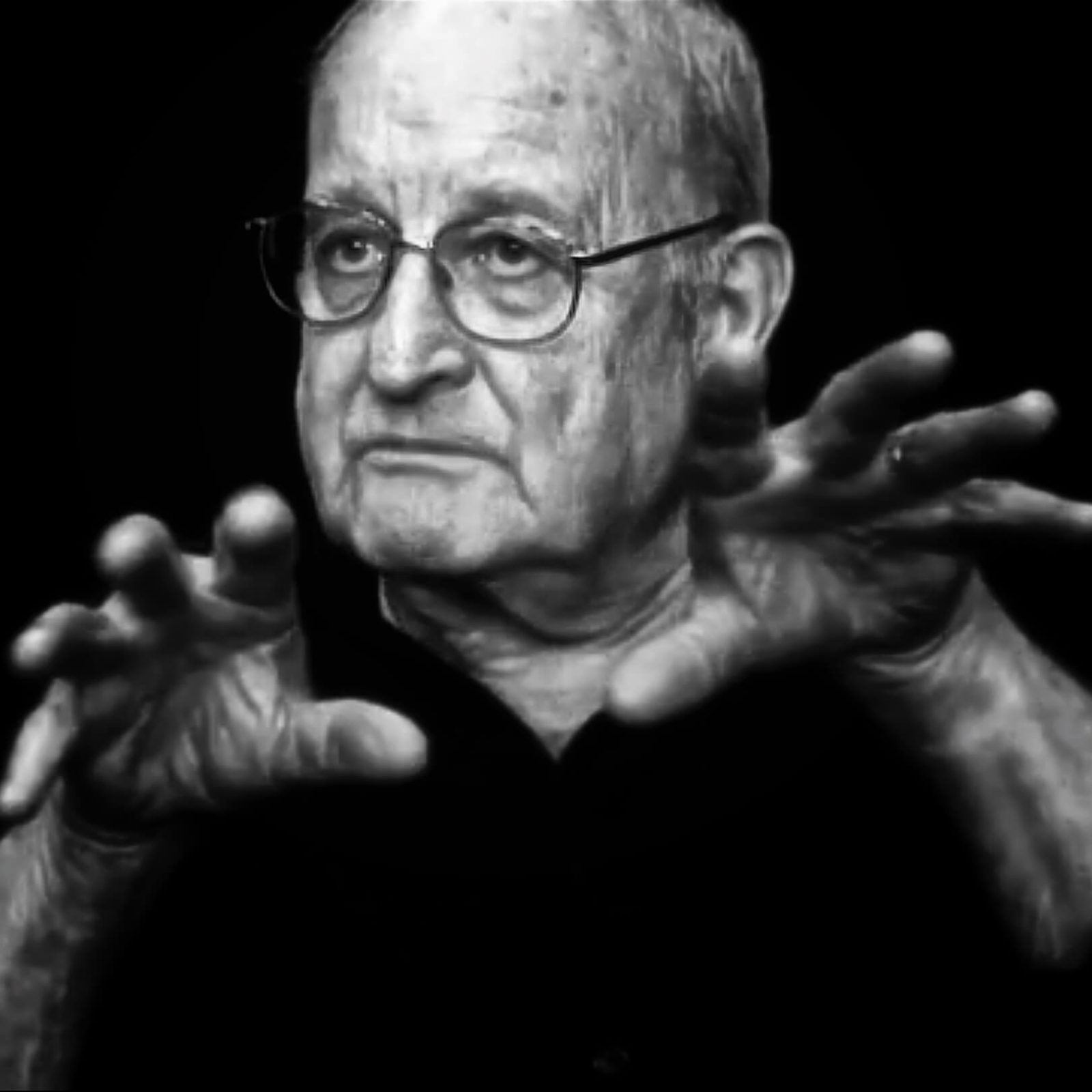
Carl Weber knew this in his bones. He worked with Brecht at the Berliner Ensemble, absorbed it all firsthand, then spent decades making sure that fire didn't go out. When he taught, he didn't traffic in reverence or museum-piece bullshit. He passed down the living thing: that theater could still be dangerous, that it could still matter. Carl understood and taught me what Brecht understood: that you don't honor someone's work by embalming it, you honor it by keeping it alive and angry.
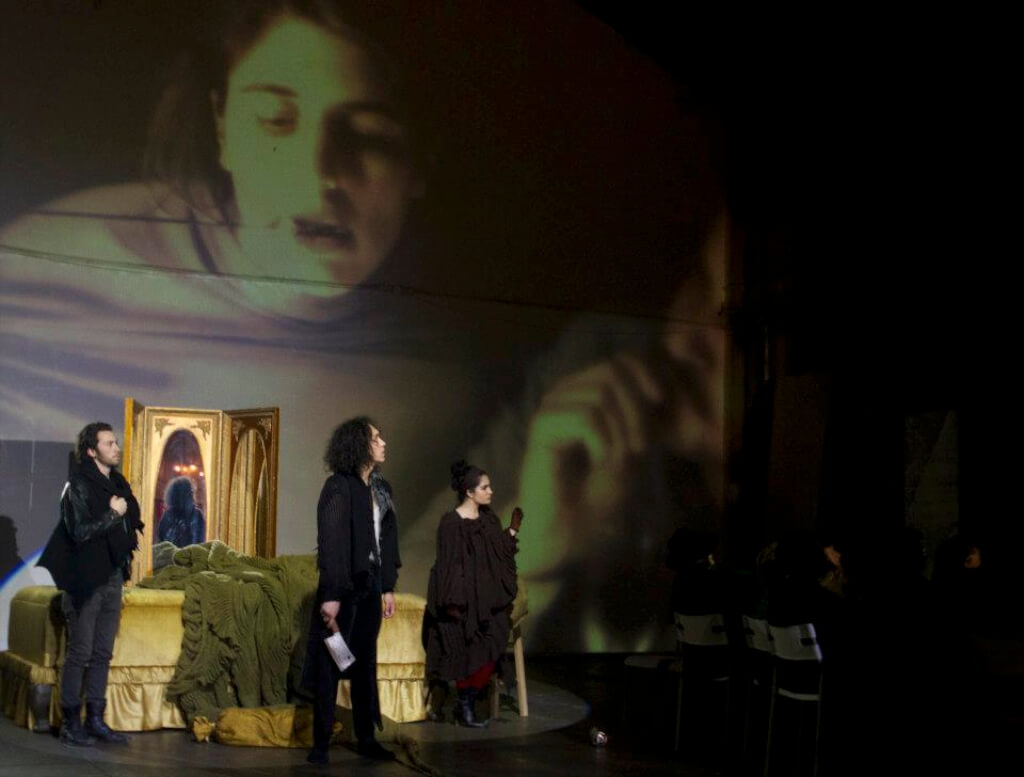
The Verfremdungseffekt, alienation effect, estrangement, whatever, wasn't academic theory. It was punk rock before punk rock existed. Break the fourth wall. Show the lights. Let the actors step out and remind you this is a SHOW, and everything you think is natural? That's constructed too. Your economic system. Your government. All of it: someone's script, and you can write a different one.
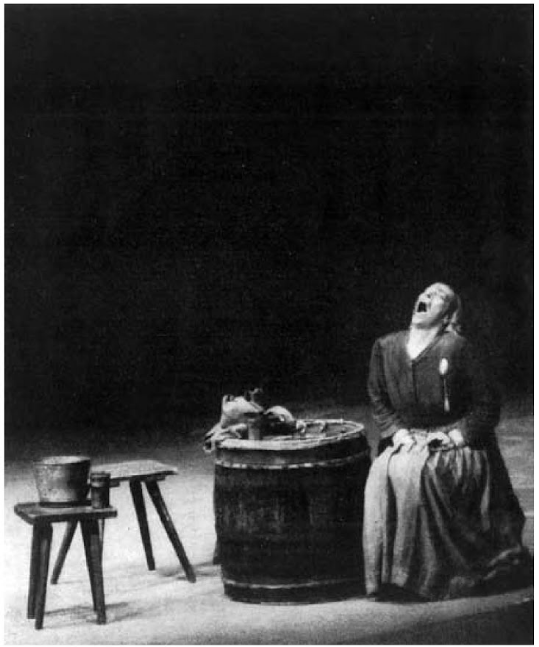
Mother Courage dragging that wagon through thirty years of war, losing everything, learning nothing. Brecht didn't want your tears. He wanted you furious that the system keeps grinding, that war profits someone while the rest of us pull wagons full of dead kids.
He actually BELIEVED theater could change something. Not through manipulation but through showing you the mechanisms, stripping away mystification.
Sure, he was difficult, insufferable, too in love with his theories. But he knew something essential: art that doesn't challenge anything is just wallpaper. And in a burning house, who gives a shit about wallpaper?