Anna Halprin didn't give a damn about what dance was supposed to be. She stripped it down to the studs, took all that precious ballet bullshit and all those modern dance pretensions and said, basically, "What if we just moved like human beings who are actually alive?"
This was radical. This was dangerous. Because when you tell people they can use their own bodies as their own instruments, without the tyranny of technique as virtue, you're threatening the whole edifice. You're saying the emperor's got no clothes and maybe that's the point.
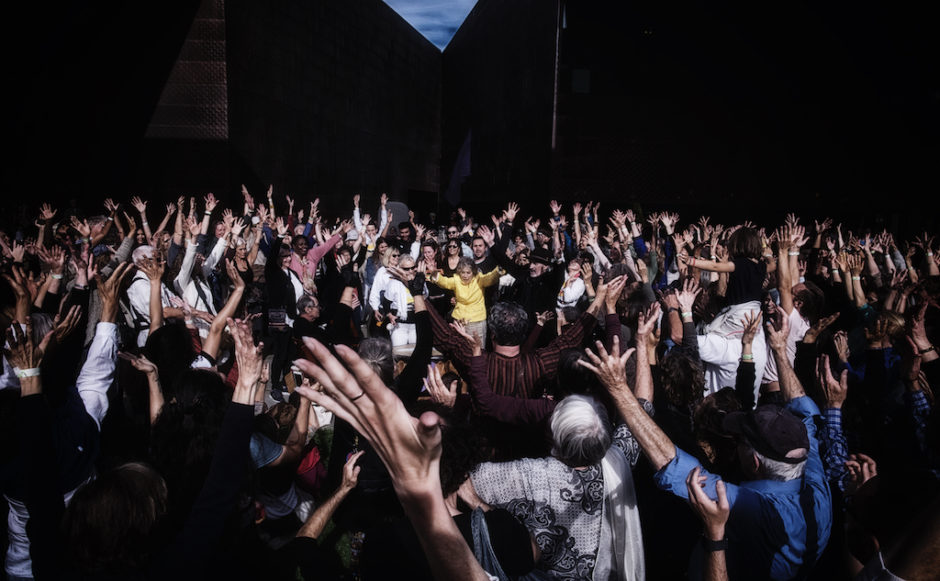
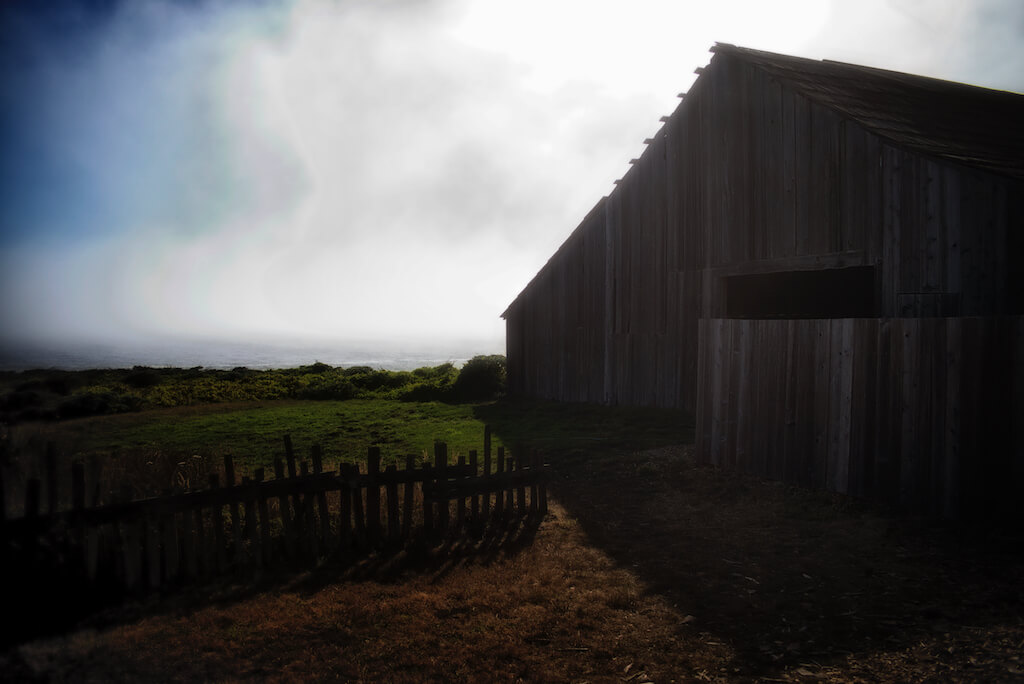
She worked on a deck. An outdoor dance deck in Marin County, which sounds very California and it was, but what happened there was primal. She had people rolling around, breathing, touching the ground, discovering that their spine remembered things their conscious mind never knew. She collaborated with musicians and architects and regular people who'd never danced before, because she understood that movement isn't something you earn through years of punishment at the barre. It's your birthright.
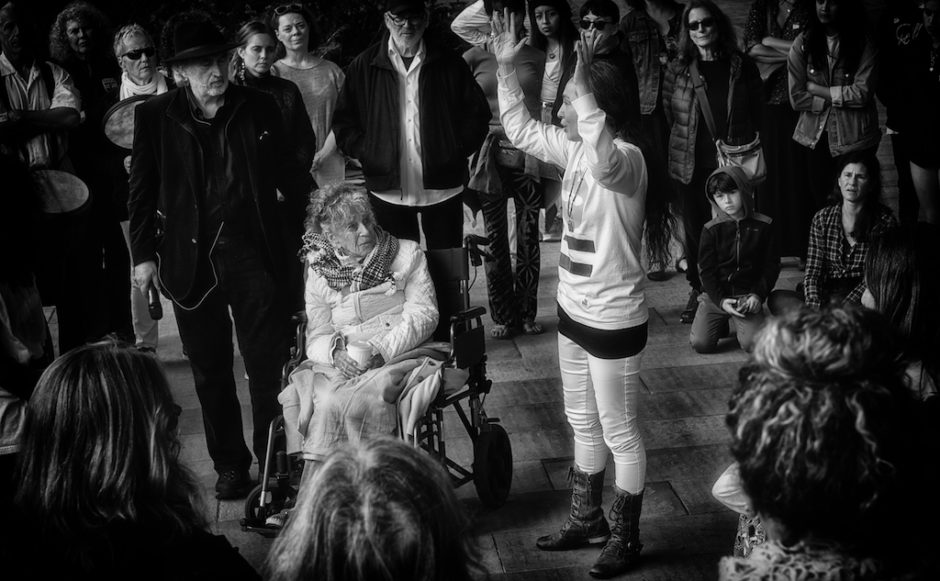
When she got cancer, she didn't retreat into victimhood or therapeutic euphemism. She made dances about it. She gathered other people with cancer and they moved together and it was probably awkward and definitely not pretty by any classical standard, but it was real. It was flesh confronting mortality with the only tool we really have: presence.
Halprin understood something the avant garde often forgets: that transgression without humanity is just posturing. She broke rules not to be shocking but because the rules were preventing something essential from happening. She wanted healing. She wanted community. She wanted the body to have its say before the critics and the theorists carved everything up into digestible concepts.
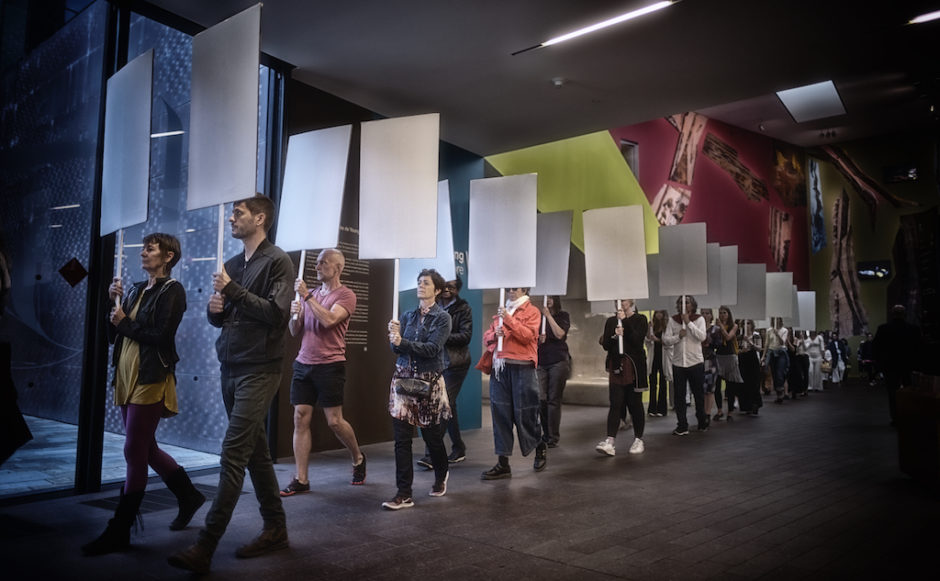
Her scores, those written frameworks for improvisation, were like jazz three-chord structures: simple enough that anyone could play them, complex enough that they could contain real discovery. She proved that democracy and rigor aren't opposites. That ordinary gestures, walking, standing, falling, contain entire universes if you're paying attention.
The establishment eventually caught up, gave her the awards, wrote the books. But by then she was already somewhere else, probably still on that deck, still asking the question that mattered: What does your body want to do right now, in this moment, with these people, in this light?
No bullshit. No metaphor. Just move.